K-Pop Streaming Surged 470-Fold in 10 Years, Driving a Redefinition of Global Youth Culture
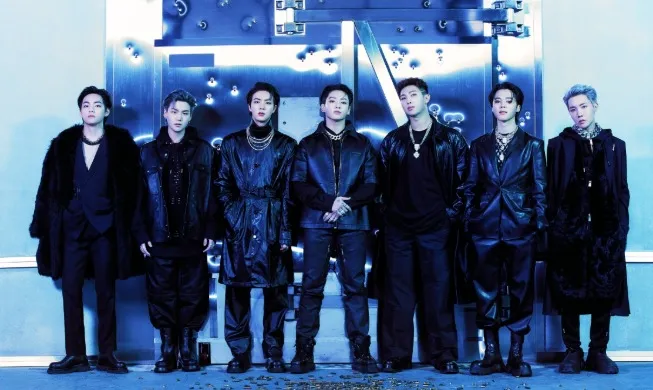
According to the global music streaming platform Spotify, K-pop streaming increased by 470 times over a 10-year period from 2014 to 2024. In 2024, music fans around the world listened to Korean artists’ music approximately 2 billion times, with the cumulative streaming time for Korean music reaching 9.7 million hours. K-pop’s growth accelerated after Spotify launched the “K-Pop On!” playlist in 2014. Regionally, it saw an average annual growth rate of 128% in Southeast Asia, 90% in the United States, and 98% in non-Asia regions. By country, the United States had the highest volume of Korean music plays, followed by Indonesia, Brazil, the Philippines, and Mexico. As of 2024, among the 17 language groups of artists who generated over $1 million in revenue on Spotify, Korean was the most streamed language outside of English. Royalties for Korean songs increased by more than three times compared to 2018. K-pop is not only transforming the music industry but also reshaping global youth culture and identity. While Western pop culture has long dominated the world stage, K-pop has established a new standard of “coolness” that originated in Seoul. It is characterized by soft masculinity, highly planned visuals, synchronized perfection, and openness across cultures. K-pop idols, especially male idols, maintain their status as stars while experimenting with makeup, fashion, and emotional vulnerability. This challenges traditional Western norms of masculinity and shows global youth, particularly queer and non-binary fans, that gender and identity need not be confined by boundaries. K-pop fandoms go beyond being passive music listeners; they are active, organized communities that engage in activities such as translating lyrics, coordinating efforts to boost streaming rankings, participating in online voting, and undertaking charitable initiatives like creating forests named after idols. This transforms K-pop from mere entertainment into a platform for social movements. K-pop’s global influence is also spreading to the beauty industry. Over 1,000 people applied for K-beauty masterclasses that covered the secrets of K-pop idol makeup, while 157 attended a masterclass held by the Korean Cultural Center in Russia. Participants gave positive feedback, saying they gained a deeper understanding of K-beauty, which they had previously been interested in. The K-beauty sector has surged worldwide through Korean dramas, films, and K-pop. As part of Hallyu culture content, many people locally also favor Korean cosmetics. K-pop is no longer just a music genre but has become a comprehensive lifestyle culture that includes fashion, beauty, and values. It serves as a key force in redefining the identity and culture of young people around the world.
발행·편집 책임: 국기봉 · KPOP Signal editorialThis article was written with AI from verified source material and passed automated checks before publication. It may contain factual errors. AI disclosure · Request a correction
Comments (0)
No comments yet — be the first to start the conversation.