Urgent Need for Measures to Protect Minor K-Pop Idols, as NewJeans Contract Termination Reveals Structural Industry Issues
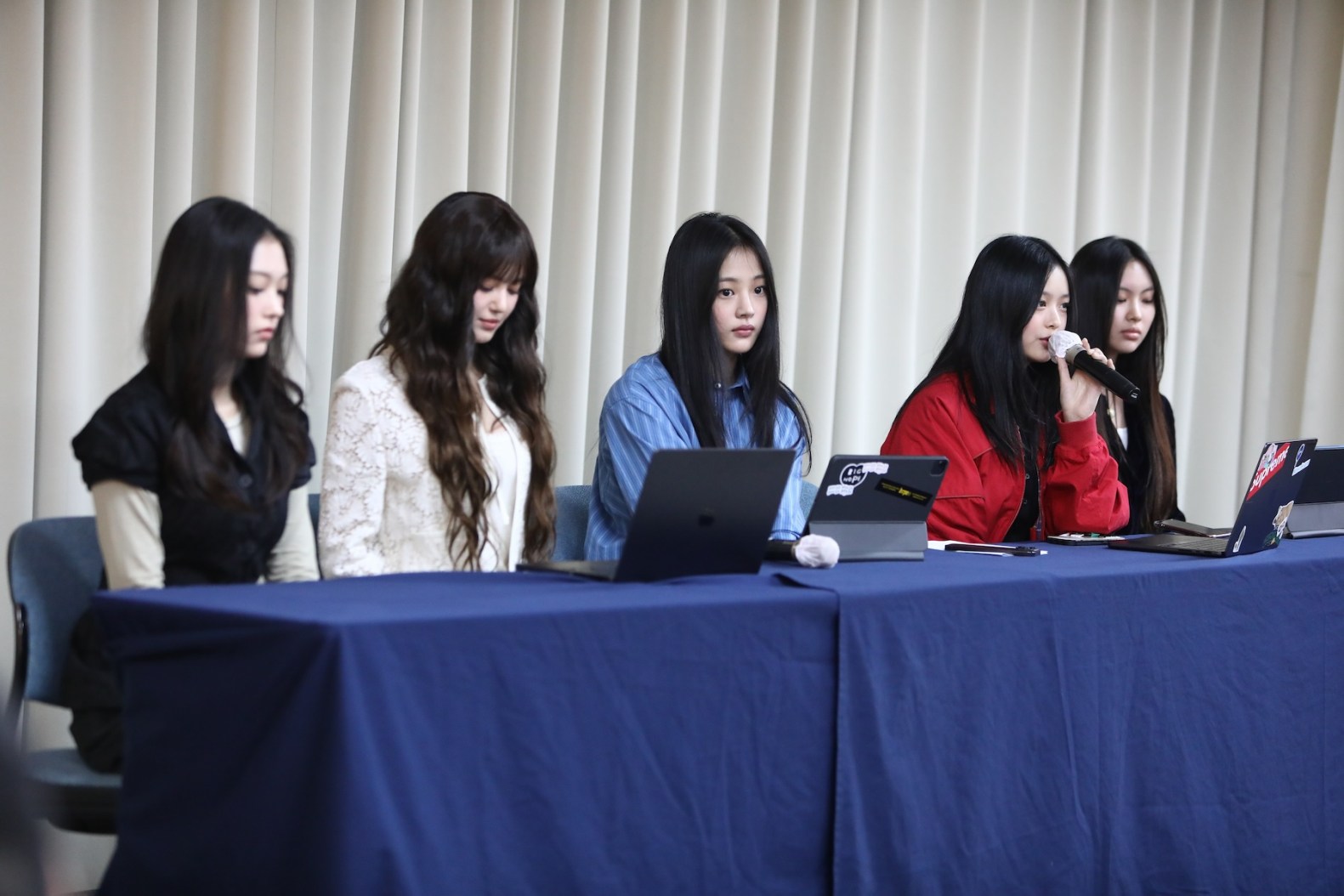
The age at which idols debut in the K-Pop industry is getting progressively younger. A participant born in 2016 and only 9 years old appeared on MBN’s idol audition program “UNDER15.” Agencies view this as a strategic choice to build long-term fanbases, and this trend has intensified as there is a growing preference for young trainees in overseas markets. Debuting at such a young age brings serious side effects. Zelo, who debuted at 14 with B.A.P in 2012, confessed, “Debuting so early was physically tough, but I also felt enormous psychological pressure. I had to act like an adult at a young age and became mentally exhausted.” Taeyeon of Girls' Generation mentioned that starting her activities as a high school student made it difficult for her to form relationships with peers, and she faced excessive stress beyond what a young person could handle. Child psychology experts warn that entering the entertainment industry at a young age can negatively impact mental health and development. Minors in the process of forming their identity may struggle with self-development if they endure strict schedules like those of trainees, as they lack opportunities for diverse experiences. Being placed in an overly competitive environment during a critical period for peer relationships can hinder social development, and young celebrities are exposed to harsh criticism and appearance evaluations, increasing risks of low self-esteem, anxiety, and depression. Concerns among K-Pop fans about early debuts are also rising. A fan who has supported NCT DREAM, which debuted at an average age of 15.6 years, said, “While it’s fun to watch them grow up when they debut young, it breaks my heart to see so young people struggling in such a harsh environment.” Another fan noted, “As someone who has seen the trainee process, when I see them struggling after debuting, I wonder if this is really the path they wanted. Agencies and broadcasters should focus on long-term system improvements rather than just seeking short-term success.” Compared to foreign examples, South Korea’s legal protections are inadequate. In California, the “California Child Actor’s Bill” strictly limits working hours for minor celebrities and protects a portion of their income. It also guarantees study time, ensuring around 3 hours of studying per day at filming locations and work sites. Although South Korea has the “Popular Culture and Arts Industry Development Act,” it lacks effective legislation to protect minor celebrities. The recent NewJeans contract termination incident exposed structural problems within the K-Pop industry. In November 2024, NewJeans members Minji, Danielle, Hyein, Haerin, along with 16-year-old Hyein, unilaterally terminated their contracts with their agency Idol (a HYBE subsidiary). They alleged “unfair treatment,” “discrimination,” and “workplace harassment,” while Idol denied these claims. Hyein said, “Some people treated me like a child but expected me to act like an adult when it was convenient for them. It was truly difficult times.” In February, the members, all under 21 years old, announced plans to perform under the new group name “NJZ” at the Hong Kong ComplexCon festival on March 23. The revised “Popular Culture and Arts Industry Development Act” submitted to the National Assembly specifies differentiated working hours for teen celebrities by age: 30 hours per week and 6 hours per day for those under 9, 35 hours per week and 7 hours per day for those aged 9 to 14, and 40 hours per week and 8 hours per day for those 15 and older. While K-Pop fans support this bill, major domestic record labels are opposed. An agency official argued, “If regulations are tightened, it will be difficult to manage schedules outside music shows. Although the intention of protecting youth is good, applying these laws in practice may be challenging.” As the K-Pop industry grows, more idols are debuting at increasingly young ages. Experts emphasize that as the industry expands, protective policies for celebrities must also evolve. The idol industry is not just a business but an environment that shapes individuals’ lives. We can no longer ignore the harsh realities that minors must endure under the guise of “dreams.” For the future of K-Pop, it is time to establish fundamental measures to protect minor celebrities.
발행·편집 책임: 국기봉 · KPOP Signal editorialThis article was written with AI from verified source material and passed automated checks before publication. It may contain factual errors. AI disclosure · Request a correction
Comments (0)
No comments yet — be the first to start the conversation.