Sung Si-kyung’s Agency Operated Unregistered for 10 Years; Systemic Gaps in K-POP Industry Exposed Amid Stricter Copyright Protections
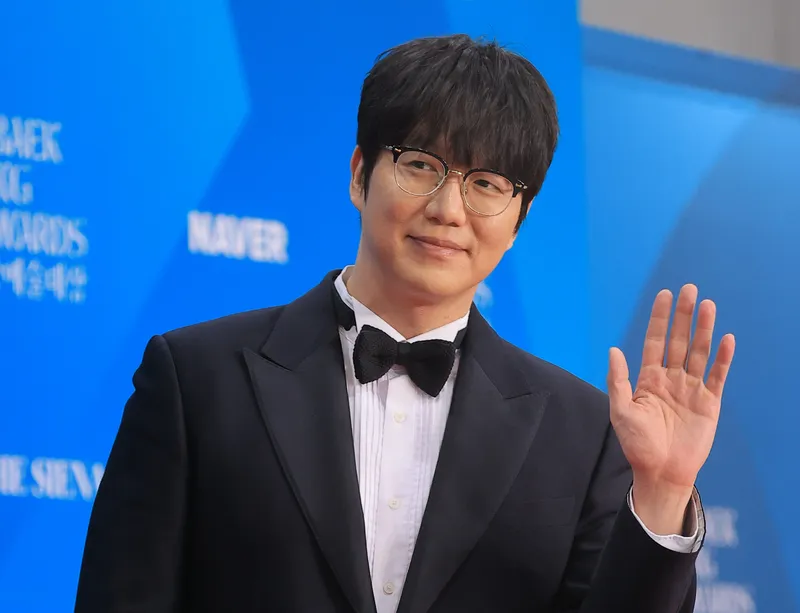
It was revealed that the agency representing singer Sung Si-kyung had been operating without legal registration for over 10 years, exposing systemic flaws within the K-POP industry. SK Jae-won, which Sung Si-kyung has managed since ending his contract with Jellyfish Entertainment in 2018, was found to have operated for 14 years since its establishment in 2011 without completing official business registration. By Sports Kyunghyang on the 16th, SK Jae-won is run by Sung Si-kyung’s older sister and has been responsible for his management. However, after the Entertainment Business Act in South Korea was revised in January 2014, star management companies with one or more employees were required to register officially. Under South Korean law, such unregistered operations can result in business suspension, imprisonment of up to two years, or a fine of up to 20 million won (approximately $14,000). Shortly after the controversy arose, SK Jae-won issued a statement apologizing, stating, “The company was established in accordance with the laws in effect in February 2011, and we failed to complete the registration process because we were unaware that a law requiring registration had been enacted in January 2014. We have now started the registration process and are doing our best to complete all necessary procedures.” This case is similar to the recent revelation that musical actress Ok Joohyun also operated her agency unregistered for several years. Amid these systemic gaps, efforts are underway to strengthen copyright protection within the K-POP industry. The Korean Music Copyright Association recently held talks in Macau, China, with China’s Tencent Music Entertainment Group (TME) and agreed to expand the system for collecting and distributing Korean music royalties in China. Park Hak-ki, vice president of the association, said that by establishing direct cooperation channels with TME, they overcame previous difficulties in building a network in China. Lee Soo-man, who founded A2O Entertainment, also attended these talks and actively pushed for stronger protection of Korean music copyrights in China. TME is a leading company that oversees digital music service providers in China, equivalent to domestic platforms like Melon, Genie, and Bugs, covering the world’s largest online music market. The two sides agreed during the talks to integrate copyright data management, standardize databases in local languages, and set up a hotline for protecting rights holders. Following discussions on data exchange with the Chinese Music Copyright Association (MCSC) during a visit to Beijing in June, the association has now laid the foundation for expanding royalty collection for Korean music in China through direct cooperation with TME. MCSC officials are scheduled to visit the Korean Music Copyright Association in mid-September for follow-up discussions, signaling further strengthening of cooperation between the two countries’ copyright organizations.
발행·편집 책임: 국기봉 · KPOP Signal editorialThis article was written with AI from verified source material and passed automated checks before publication. It may contain factual errors. AI disclosure · Request a correction
Comments (0)
No comments yet — be the first to start the conversation.
Related stories
Controversy Over Unregistered Solo Agencies: Protection Systems Turning Into Restrictions
K-POP’s 470-Fold Growth Over 10 Years as It Becomes the Heart of Global Youth Culture
K-POP Expands Industry into Streaming, Casinos, and Musicals as Chinese Capital Increases Its Presence
K-pop Enters 5th Generation with AI Virtual Idols; PLAVE and ISEGAEIDOL Expand Fanbases