Lightsticks and K-POP Songs Become Symbols of Resistance: The “People’s Song Revolution” at the Impeachment Protests
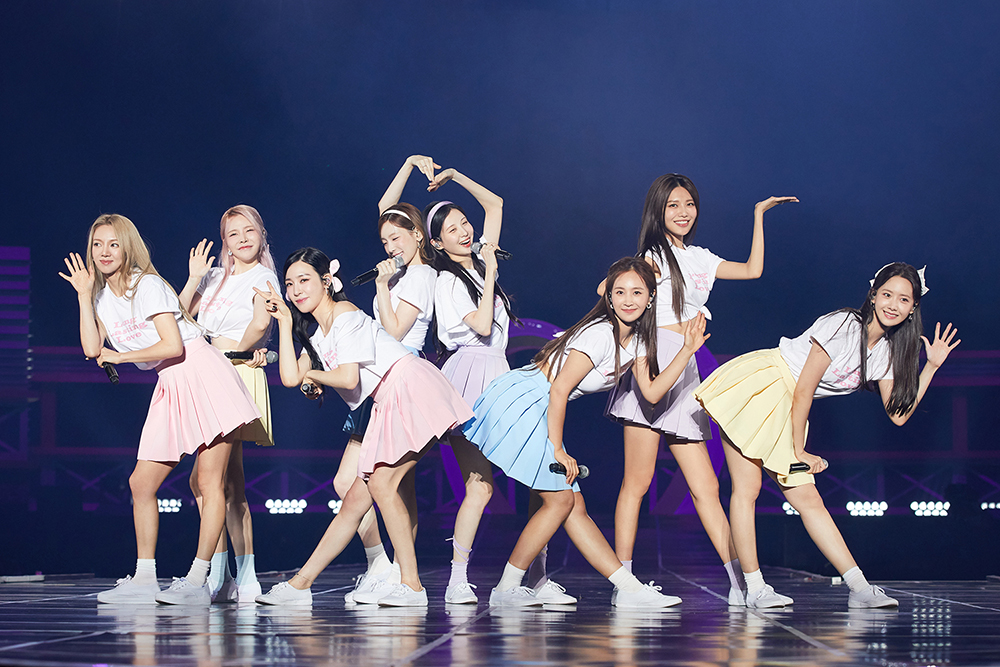
After the declaration and lifting of martial law in Itaewon on December 3, citizens poured into streets and squares. Ahead of the vote on President Yoon Suk-yeol’s impeachment on December 14, approximately 1 million people gathered in front of the National Assembly in Yeouido, Seoul, demanding responsible governance. The most notable feature of this gathering was the appearance of lightsticks as a replacement for candles. K-POP, which descended into the streets armed with energy rather than solemnity, transformed the protest site into a festival-like space. Girls' Generation’s “Damansane” played at the moment the impeachment resolution was passed, and participants of all ages sang together as flags representing various identities waved. The convergence of “March for Im” — traditionally considered the epitome of people’s songs — with K-POP marked a new turning point in Korean square politics. Behind the presence of K-POP at the protests was a shift in the role of women’s generations. Women in their 20s and 30s held lightsticks to illuminate the protest areas, and the organized participation culture of K-POP fandoms created a new form of resistance. Through social media, fandoms shared information about restroom locations, safe ways to attend large gatherings, and messages of support, thereby fostering an efficient and inclusive gathering environment. This extended the organized, classless solidarity culture that K-POP fans typically practiced through streaming campaigns, product boycotts, and anti-idol abuse campaigns. There is a long history behind K-POP being referred to as “people’s songs.” In 2016, during protests at Ewha Womans University, students confronting the police began singing well-known songs together out of fear, leading to “Damansane” being rediscovered as a symbol of resistance and exploration. This event became a catalyst for the subsequent impeachment of former President Park Geun-hye, and the song was then labeled as a people’s song. K-POP also echoed through the squares during a 50-day hunger strike by bakers protesting against SPC’s labor repression in 2022. Here, K-POP served as more than just music; it became a medium linking labor exploitation issues with the struggles of those who had lost their daily lives. K-POP is adopted as people’s songs because fans, confronted with the labor exploitation structures in the idol industry, reemerge as political actors by connecting their own struggles to the broader movement. Internationally, K-POP’s culture of resistance is also spreading. K-POP fan communities in the United States participated in the 2020 Black Lives Matter movement through online donation campaigns and hashtag drives. In Chile in 2021, a coalition of K-POP fans organized a campaign supporting progressive presidential candidate Gabriel Boric, which ultimately led to his election. LGBTQ+ communities have also utilized K-POP and fandoms as safe spaces. Korean square politics has inherited the “spirit of resistance” from people’s songs used during the democratization movements of the 1970s and 1980s. However, people’s songs declined due to the decline of student movements and labor repression in the 1990s. The emergence of K-POP as a new form of people’s song in these impeachment protests signifies that the “form of resistance” has evolved by combining with music as a popular medium. The essence of art — that music possesses political significance independent of the creator’s intentions and that audiences can reinterpret it — came into play here. In these squares, K-POP has established itself as a new “people’s song” that goes beyond mere entertainment by connecting generations, embracing diverse identities, and turning those who remained silent into political actors.
발행·편집 책임: 국기봉 · KPOP Signal editorialThis article was written with AI from verified source material and passed automated checks before publication. It may contain factual errors. AI disclosure · Request a correction
Comments (0)
No comments yet — be the first to start the conversation.