K-Pop’s Rapid Growth in 180 Countries Creates $300 Million Market; Structural Issues Such as Fan Group Conflicts and Intern Abuse Emerge
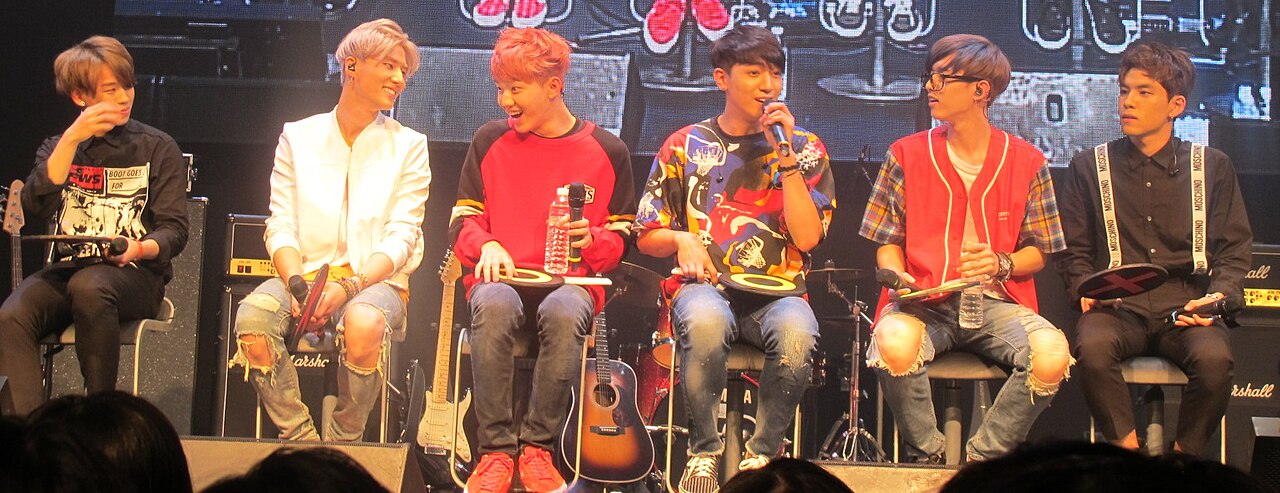
Photo The original uploader was Shuohyun at Chinese Wikipedia. / CC BY-SA 3.0 — Wikimedia Commons
As K-Pop continues to expand rapidly across global markets, it has solidified its position as a key export industry for South Korea. As of 2024, K-Pop songs are streamed in 180 countries, with overseas sales rising from $230 million in 2020 to over $300 million by 2024. Maintaining an average annual growth rate of 15%, it generates economic impacts comparable to the export of tens of thousands of cars and hundreds of thousands of smartphones.
The structure underlying K-Pop’s global spread has also undergone fundamental changes. In the past, fans would search for new releases on release dates and spread music through communities. However, today, AI algorithms and playlists on global platforms naturally expose K-Pop content to ordinary users who are not necessarily fans. April Boyd, Spotify’s Vice President of Global Government & Public Policy, explained, “We currently have over 750 million users in more than 180 markets, of whom approximately 290 million are paid subscribers.” Last year, Spotify paid over $10 billion to the global music industry, with cumulative payments since its founding exceeding $70 billion.
Yet structural problems have emerged amid this global expansion. Conflicts between fan groups from South Korea and Southeast Asia are intensifying. Recent debates surrounding a DAY6 concert in Malaysia led to heated arguments between Korean and Southeast Asian fans. These disputes escalated into racial and cultural issues, including comparisons of appearances as well as mocking and derogatory remarks directed at fan groups from other countries. Since the early 2000s, some Southeast Asian fan groups have raised concerns about “whitewashing,” arguing that K-Pop stars’ makeup makes their skin tones appear excessively light.
A lack of transparency in training processes is another issue. One female trainee testified, “They said there would be auditions weekly, but that never happened,” adding that she also suffered sexual harassment. K-Pop training institutions are registered under the category of overseas education programs, allowing them to operate outside South Korea’s education law regulations. They fall under one of the 5,800 such institutions overseen by the Ministry of Culture, Sports and Tourism, resulting in even more limited oversight.
Online addiction is also a serious concern. In India, three sisters aged 12, 14, and 16 attempted suicide after having access to K-Pop music, Korean games, and movies blocked. The police stated that the victims were deeply influenced by Korean culture, with online addiction and financial difficulties playing combined roles in their situation.
Industry leaders are emphasizing the need to establish collaborative frameworks for sustainability. Kim Hyun-sook, director of the Digital Policy Industry Research Institute, suggested that the government should expand its role from a mere regulator to a coordinator and facilitator, adopting a strategic approach that views platforms as partners rather than entities to be controlled. Jeong-joo Jeon, Spotify Korea’s president, noted that accessibility and discovery are crucial for the sustainable growth of Korean artists. She reported that royalties paid to Korean artists in 2024 increased by 12% compared to the previous year and more than tripled since 2019.
발행·편집 책임: 국기봉 · KPOP Signal editorialThis article was written with AI from verified source material and passed automated checks before publication. It may contain factual errors. AI disclosure · Request a correction
Comments (0)
No comments yet — be the first to start the conversation.
Related stories
DAY6’s Dowoon Amidst Ongoing Romance Rumors with Yu JiYu and “Fan Betrayal” Controversy
DAY6’s Doohyun Accused of Dating YouTube Creator Yu Ji-yoo; Rumors Spread to Marriage and Group Departure Claims
Park Jin-young Returns with 2nd Mini Album in 3 Years; Music Video for Title Track “EVERLOVE” Released
Park Jin-young Releases His 2nd Mini Album “Said & Done” with a Live Stage on the 15th