Virtual Idol Market Expands Rapidly... Miracle’s Debut and PLAVE’s Gochek Dome Success Attract Smaller Agencies
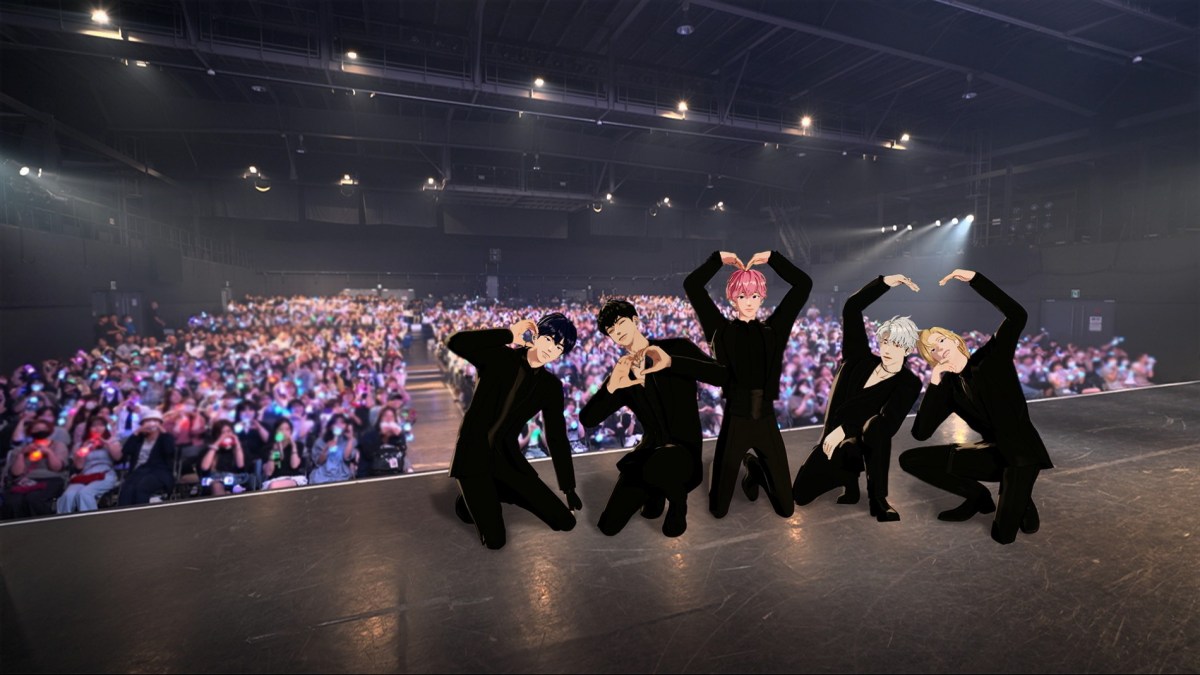
Virtual boy group Miracle made its official debut in the K-pop industry on the 26th at 6 p.m. with the release of their debut single “Ask the Stars.” The group is built around a concept where boys who were top-tier idols in a past life are reborn as virtual entities after a mysterious accident, pursuing their dreams of becoming singers once again. Composed of five members—Saeon, Yuseong, Hayden, Jea-ha, and Jeon-seol—they emphasize a unique concept of “idols starting over from debut,” highlighting a “second-chance idol growth narrative” tailored for young fans.
Their debut song, “Ask the Stars,” is a dance track featuring an addictive melody. A standout element is the title-based lyric “Ask the Stars,” which directly conveys the boys’ feelings about dreams, fate, and starting anew as idols. Starting from the 8th, Miracle gradually unveiled each member’s visual and character traits through their official social media accounts and YouTube channel. They also gained attention by releasing audio book content that detailed their story of being reborn as virtual idols and expanded on their universe. The audio books quickly went viral after release, with high view counts for each episode, proving strong interest in Miracle’s concept even before their official debut.
Aiming to become a global K-pop group, Miracle established partnerships with top domestic production studios at the time of their debut. Lumiflo, which holds patents for creating realistic interactive content using real-time rendering, motion capture, and live technology, Alfred Image Works, known for its innovative directing and visual effects in 3D character animation, game cinematics, and motion graphics, and Animal Studio, specialized in planning and producing 2D cell animation series, all contributed to developing Miracle’s unique virtual performances. Through this collaboration, Miracle offers more than just character-based content; they deliver a new virtual idol experience that combines real-time technology with advanced animation, aiming to broaden connections with global fans.
The expansion of the virtual idol market is accelerating further. PLAVE, which sold out Gochek Dome tickets during its third year of operations, became the first virtual idol group to prove the success of large-scale offline concerts. At the “2025 PLAVE Asia Tour- Dash: Quantum Leap Encore” held at Seoul’s Gochek Sky Dome on November 21–22 last year, 37,000 fans attended over the two days. PLAVE is a five-member virtual group consisting of Hamin, Noah, Yejun, Bamby, and Eunho. Their universe revolves around characters living in the virtual world “Kael Room” who receive abilities from Earth’s developers, enabling them to communicate with the real world. The technology used involves real people wearing special devices and performing dances and singing out of sight, while the characters move in response to the performers’ actions. In the music industry as well, PLAVE set a new record for itself with 1.09 million initial album sales for their second single album “Ppuu!” released in November last year. Their title track “Ppuu!” reached number 1 on the Billboard Korea Hot 100 chart and position 170 on the Billboard Global 200 chart.
As generative AI technology, real-time rendering, and voice synthesis continue to advance rapidly, the barriers to entering the virtual idol market have decreased. As a result, smaller agencies and new production companies are increasingly entering this virtual idol sector. At least five more virtual idol groups are set to debut this year, including Miracle, Ouis, Uarel, and Wigo Six. Additionally, Galaxy Corporation, where G-Dragon is affiliated, and the new agency Duri Entertainment have announced virtual idol projects, officially confirming their entry into the market. Industry analysts believe the virtual idol ecosystem, once dominated by large agencies, is now entering a multi-polarized phase.
The operation methods of virtual idols are also evolving. Currently, many projects do not feature entirely artificial intelligence characters but instead involve real people acting through virtual avatars. There is an increasing trend of musicians who lost opportunities after their original idol groups disbanded or who have built skills in the underground scene attempting a comeback as virtual idols. The relative freedom virtual idols enjoy in terms of appearance, age, and image management is seen as a new alternative for talent utilization. Their activity scope is no longer limited to online platforms either. As virtual idols gain greater recognition, they are expanding into broadcasting and offline stages. For example, Kwon Irang, a member of Virtual Idol Skins, appeared on Mnet’s “Show Me the Money 12” to showcase his rap skills, demonstrating that beyond being virtual characters, the core competitiveness of content ultimately lies in the individual performer’s abilities.
The industry attributes the expansion of virtual idols to both changes in technological environments and shifts in fan consumption patterns. Fans now place greater emphasis on the character’s universe, content quality, and consistent interaction rather than whether the character is based on a real person. This shift in perception is spreading rapidly, especially among global fans, and is considered a key factor in helping the virtual idol industry establish itself firmly.
발행·편집 책임: 국기봉 · KPOP Signal editorialThis article was written with AI from verified source material and passed automated checks before publication. It may contain factual errors. AI disclosure · Request a correction
Comments (0)
No comments yet — be the first to start the conversation.