Violence by Stalker Fans Exposed Through Super Junior’s Kim Heechul’s Testimony, Highlighting Human Rights Abuses in the K-POP Industry
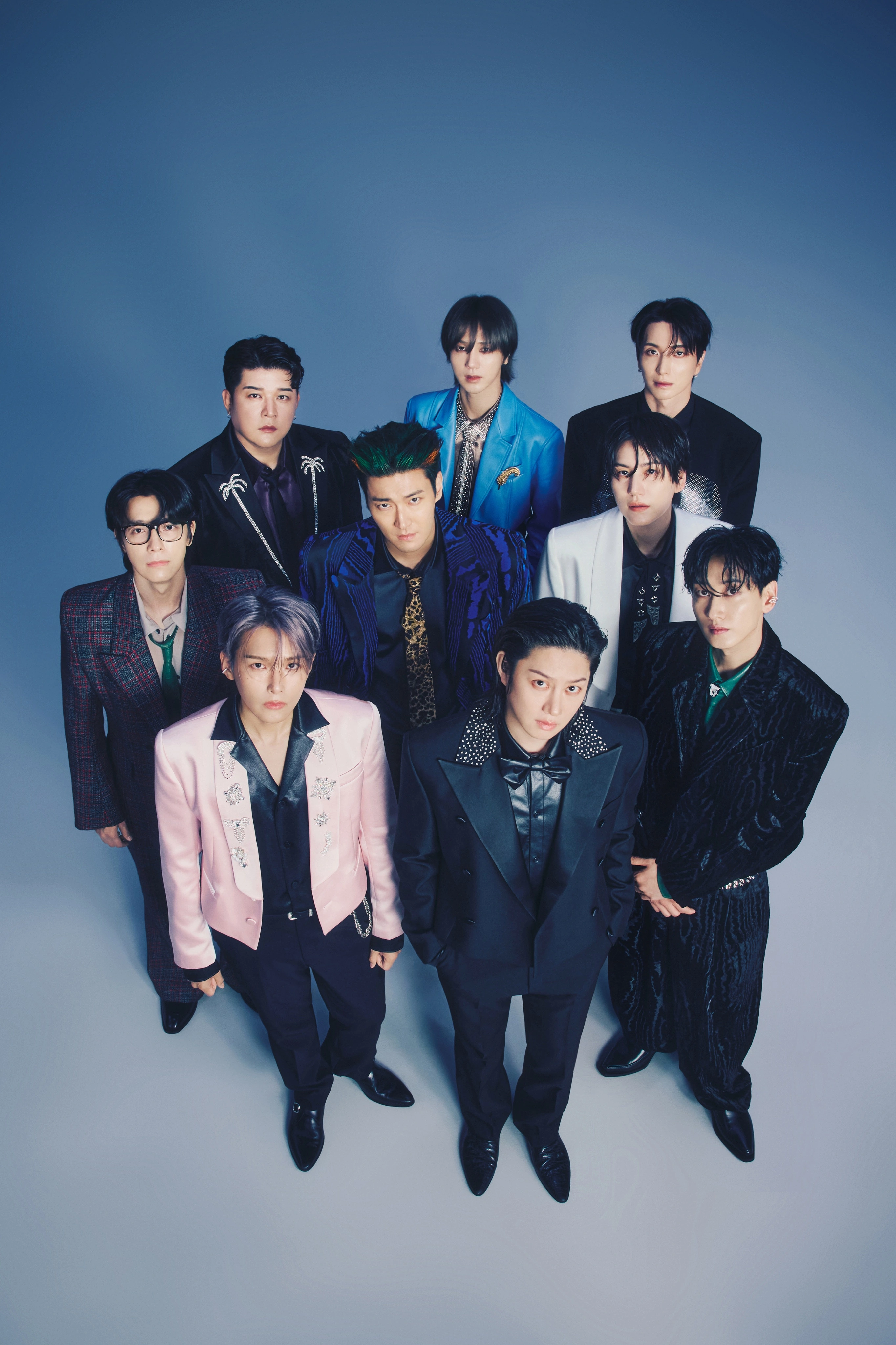
Kim Heechul, a member of SUPER JUNIOR, appeared on popular YouTuber Yoon Il-sang’s show to reveal years of extreme violent behavior from stalker fans. His testimony exposed widespread human rights abuses within South Korea’s idol industry. Kim Heechul stated, “Those stalker fans were truly extreme. They would follow us in taxis while we were commuting by car, block us in alleyways, bang on car doors, and shout at us.” Even more shocking was the fact that taxi drivers often facilitated these actions. He expressed anger, saying, “They charged those foreign teenage fans exorbitant fares. It made me furious when I encountered them laughing and saying, ‘Heechul, why are you like this?’ Those kids probably don’t even realize how much money they’re spending.” Industry insiders also contributed to this harassment. Kim Heechul pointed out, “I understand that teenagers might act that way during puberty, but adults encouraged it.” Taxi drivers knew the homes of TVXQ! and SUPER JUNIOR members, as well as their favorite bars and restaurants. Yoon Il-sang mentioned on the show that he often hears outrageous stories from his idol friends while drinking, including claims that some idols routinely discuss exposing private information to fans. Stalker intrusions went even further. Kim Heechul disclosed, “There were organized groups. When we went to events, they would sneak into our homes, take photos, and post them online. They even left sanitary pads in our dormitories.” Yoon Il-sang added that he had heard of cases where they left excrement as well. Due to these constant intrusions, Kim Heechul recalled, “Fans said I had a bad personality. There were pictures of us on the bus we took, and whenever I got off, people would scream and run away like in a zombie movie.” This reality is also systematically addressed in the recently published book *K-Pop: The Strange Land of Idols*. Written by investigative journalist Jeon Dahyeon, this reportage features interviews with over 40 people, including idols, trainees, producers, agency executives, and lawyers. The author focuses on human rights abuses within the idol system, particularly highlighting the situation of female trainees. One quote from an entertainment company executive reads, “Eight out of ten female trainees don’t have their periods,” attributing this to a rigorous schedule and forced dieting. The book also points out structural issues in the K-POP industry, such as unclear payment arrangements, unfair contract terms, and poor access to education. The author visited music industries in Japan, the United States, and Sweden, meeting foreign producers, composers, and dance studio owners to compare them with the K-POP system. While those developed countries balance music education and industry in a free environment, she argues that “K-Pop has grown within a structure where planning and control take precedence,” suggesting that an environment should be created to allow artists to grow rather than just being exploited. This series won the Gold Remi Award in the New Media Interactive Entertainment category at the 58th Houston International Film Festival in the United States in 2025.
발행·편집 책임: 국기봉 · KPOP Signal editorialThis article was written with AI from verified source material and passed automated checks before publication. It may contain factual errors. AI disclosure · Request a correction
Comments (0)
No comments yet — be the first to start the conversation.