The Light and Dark of K-Pop... The Industry Crisis Hidden Behind the Success of “KPop Demon Hunters”
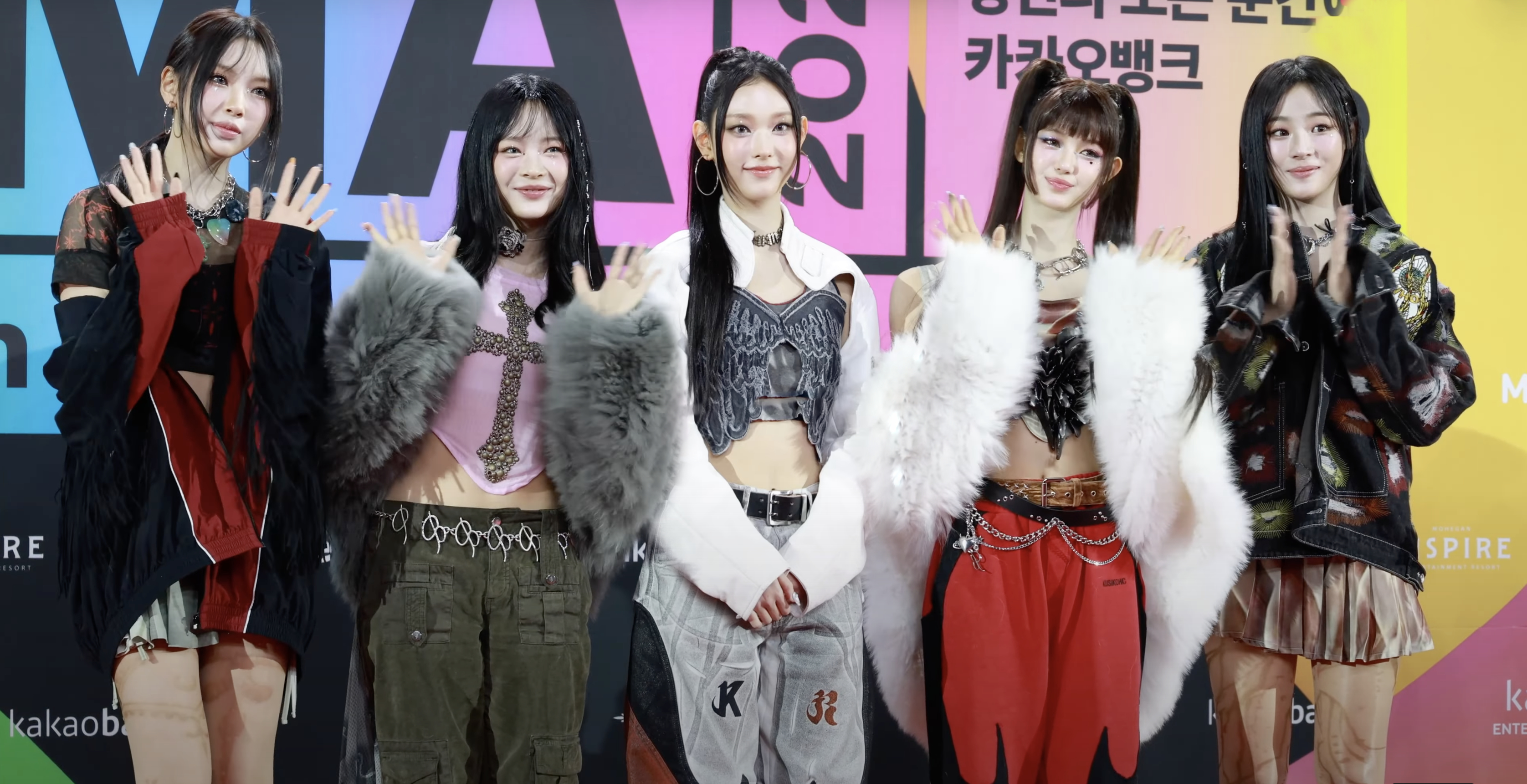
Netflix’s original film “KPop Demon Hunters” has accumulated 31.4 billion views, becoming the most-watched film in the platform’s history and driving unprecedented interest in K-Pop among Western audiences. This animated musical, which introduced K-Pop to millions of Western viewers through its stunning action sequences and highly infectious soundtrack, is serving as a catalyst for expanding international fanbases. However, when these newly interested viewers delve deeper into the industry, they encounter a completely different reality. The legal disputes that began in April 2024 involving NewJeans, one of the most successful girl groups in K-Pop history, illustrate this clearly. The conflict between HYBE, one of K-Pop’s largest entertainment companies, and ADOR, NewJeans’ subsidiary, originated from allegations that ADOR CEO Minhee attempted to separate the label from HYBE. As NewJeans publicly voiced its stance against HYBE, the tension intensified, and in March 2025, a court ruling in favor of ADOR further restricted the group’s independence. This case exposed how limited artists’ control is over their own careers and sent shockwaves through the industry.
The K-Pop industry is often built on a trainee system that begins as early as age five. Under this system, artists enter long-term contracts that grant labels extensive control over every aspect of their lives, not just their music. While this system has produced global superstars, it has also faced criticism due to its restrictive nature. NewJeans’ dispute brought these concerns to the forefront, showing that a group at the peak of success lacked the ability to decide its own career direction. As global interest in K-Pop reaches record levels, Western audiences are becoming more open to Korean music and culture. Amid this trend, expectations for industry reform have risen following the appointment of JYP Entertainment chairman Park Jin-young as co-chair of the President’s Popular Culture Exchange Committee alongside Culture Minister Chae Hee-young. Park Jin-young debuted as a singer in 1994 and founded JYP Entertainment in 1996, producing some of K-Pop’s greatest artists such as god, Rain, Wonder Girls, 2PM, TWICE, and Stray Kids. His appointment to a government committee is the first time a former singer has held such a minister-level position. Industry insiders argue that beyond long-standing issues like inadequate global concert infrastructure and ticket scalping, deeper reforms are needed, including addressing rising production costs. As K-Pop becomes increasingly dependent on international markets, labels have greater incentive to adopt practices that meet global standards for artist welfare. With “KPop Demon Hunters” having opened doors for millions of people, it is time for the K-Pop industry to fully leverage its newfound popularity and attention by offering a supportive industry structure backed by quality music and ethical practices.
발행·편집 책임: 국기봉 · KPOP Signal editorialThis article was written with AI from verified source material and passed automated checks before publication. It may contain factual errors. AI disclosure · Request a correction
Comments (0)
No comments yet — be the first to start the conversation.