The Global Impact of Netflix’s “KPOP Demon Hunters” on Korean Culture
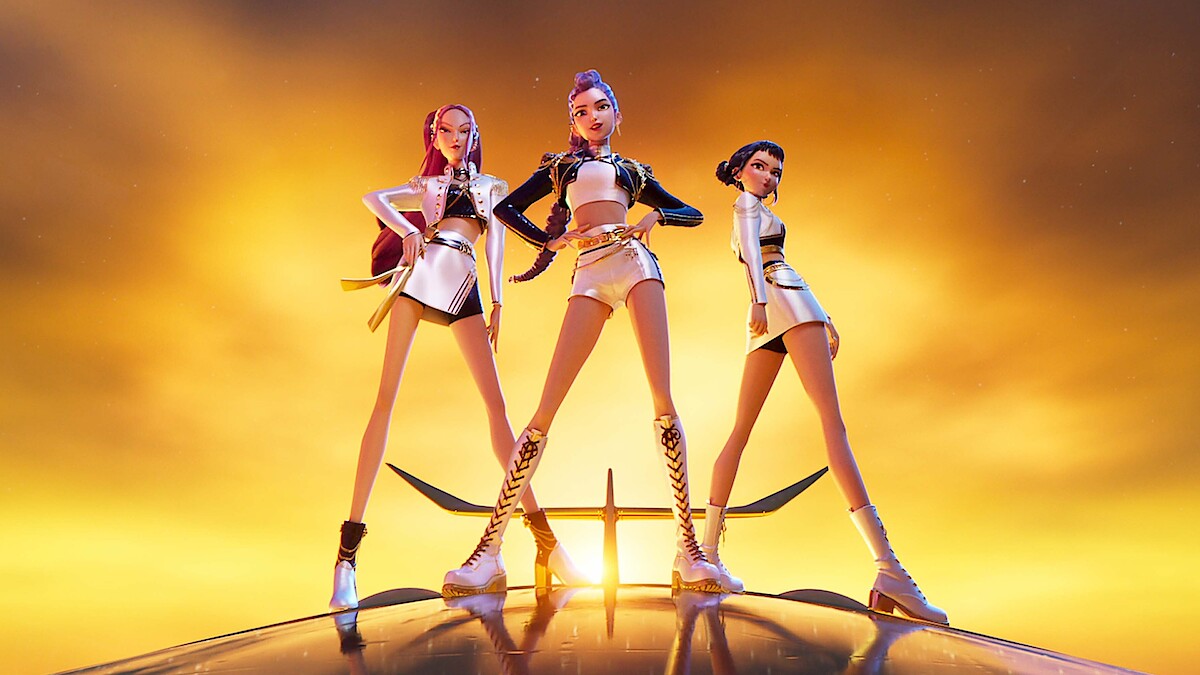
Netflix’s animated series “KPOP Demon Hunters” has evolved beyond the success of a single film to become a worldwide cultural phenomenon. Built around K-pop and Korean culture, it has captured global fanbases and created new opportunities for the spread of Hallyu. Since its release on June 20, the series has accumulated 210.5 million global views in Netflix’s film category, ranking it second among the most-watched films of all time. The gap between it and “Red Notice,” which debuted in 2021 and has 230.9 million views, is only 20.4 million. This series was described as “another opportunity to explain how K-pop has conquered popular culture” by a major international outlet, while another prominent publication noted that it is “moving toward the level of cultural influence achieved by Disney works such as ‘Encanto’ and ‘Frozen.’” The series’ success stems from its authentic portrayal of Korean culture. A associate professor of Korean literature at Boston University commented that it “presented Korean culture in a coherent manner without unnecessary distortion or simplification.” The series offers a modern interpretation of the traditional Korean shamanistic ritual known as “gut.” The members of the main group, HUNTR/X, are depicted as successors to ancient shamans who use music, dance, costumes, and spells to expel evil spirits, with the modern version sealing such evil through sold-out pop concerts and viral music videos. The depiction of Korean culture in the series is meticulous and natural. Everyday items such as cup noodles, kimbap, and Namsan Tower are shown realistically, while details like the coexistence of short-sleeved shirts and padded jackets reflecting seasonal changes and napkins placed under utensils in restaurants vividly capture the current state of Korea. Unlike past instances in the West where Asian culture was exaggerated or distorted, this series effectively introduces Korean lifestyles to audiences around the world in a natural way. The influence of music is also significant. Leading figures in K-pop, including composers from SM such as Lee Jae, producers like Teddy, and choreographers like Lee Jung, contributed to crafting the sound and performances. The theme song of the fictional girl group HUNTR/X, titled “Golden,” reached number one on both the U.S. Billboard Hot 100 and the UK Official Charts Top 100, with three tracks from the soundtrack album entering the top 10 of the Billboard Hot 100 chart. It is a historic achievement for a K-pop song to achieve such results. Global fan activity is also intense. According to Google Trends, search volume for “Korea” worldwide reached its highest level in two years and eight months since late 2022, between August 17 and 23. Within Korea’s content industry, there have been regrets expressed such as “Why couldn’t we produce ‘KPOP Demon Hunters’ ourselves?” Although the production company is Sony Pictures Animation (with Japanese investment) and distribution is handled by Netflix in the United States, the series is considered to possess a strong Korean identity. The key question now is how to leverage this surge in interest. The reason behind creating content about Korean culture abroad is that Korea is seen as profitable. The challenge for the entire industry is to turn global viewers who have become interested in Korean culture through “KPOP Demon Hunters” into active fanbases and to connect them with more Korean content.
발행·편집 책임: 국기봉 · KPOP Signal editorialThis article was written with AI from verified source material and passed automated checks before publication. It may contain factual errors. AI disclosure · Request a correction
Comments (0)
No comments yet — be the first to start the conversation.