The Dark Side of the K-POP Industry: Severe Structural Issues Ranging from Exploitation of Minors to Exploitation of Fans
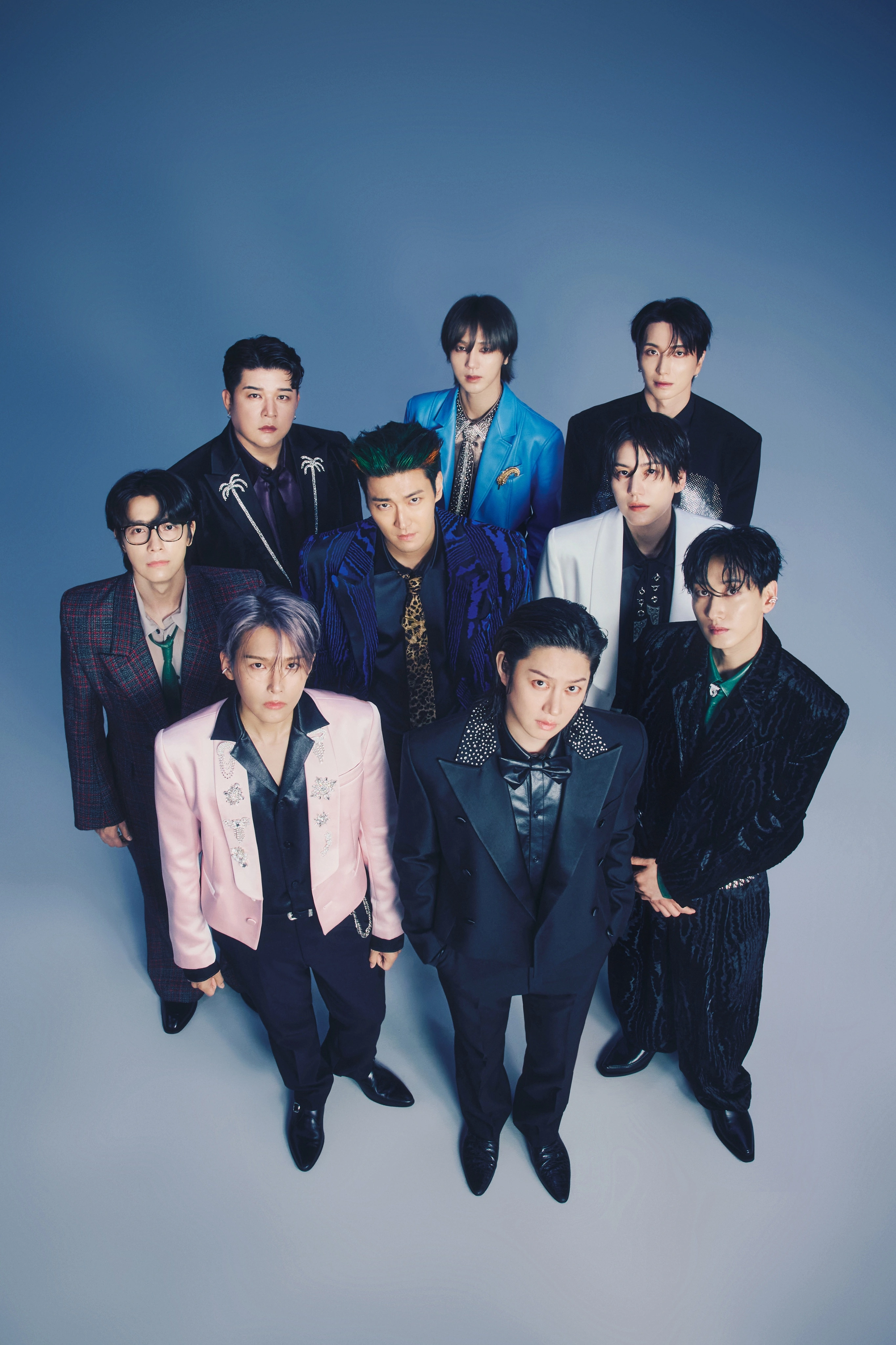
K-POP has grown into a dominant genre in the global music industry as South Korea’s soft power, but deep structural problems lie hidden behind its glamorous facade. Critics argue that music labels focus solely on profits while exploiting fans by forcing them to labor under the guise of showing support. Looking back at the history of K-POP fandoms, since groups such as TVXQ, Super Junior, and SS501 dominated the domestic music scene in 2006, the unconditional love of fans has served as the foundation of the industry. However, over time, fans have begun to realize the true cost of fandom culture. One observer noted, “Music labels continuously encourage fans to make impulsive purchases and overspend, while fans mistakenly think they are providing labor as a way to show their support.” Another serious issue in the K-POP industry is the sexual exploitation of minors. This problem remains hidden “as if it were normal.” Despite public outrage, critics claim the industry still generates profits from the sexualization of children. The recent contract dispute involving NewJeans — currently active under the name NJZ — exposed the structural problems within the K-POP industry. In November 2024, all five members, who were under 21 years old at the time, unilaterally terminated their contracts with their agency ADOR. They alleged they suffered “unfair treatment,” “discrimination,” and “harassment” at the agency, while ADOR denied these claims. Lee Hyein, the 16-year-old leader of NewJeans, told TIME, “Some people treated me like a child when it was convenient for them, yet expected me to act like an adult when it suited them.” She added, “It was really difficult. It was one of the hardest times in my life.” Since their Debut in August 2022, NewJeans has reached the Billboard Hot 100 with songs like “Super Shy,” “OMG,” and “Ditto,” achieved streaming Guinness World Records milestones, and served as ambassadors for global brands such as Coca-Cola, Apple, and Powerpuff Girls. Their departure from ADOR caused HYBE to suffer a market capitalization loss of approximately $500 million in 2024, amid overall weak album sales for K-POP worldwide. In January, ADOR filed an injunction in a Seoul court to prevent the five members from conducting any new promotional activities without the agency’s permission. In February, the agency expanded its request to ban new music releases and international performances following the group’s rebranding. The court approved the injunction just before their performance at the ComplexCon festival in Hong Kong on March 23. However, the five members publicly declared their intention to appeal this court decision. In a statement to TIME, the NewJeans members said, “We are disappointed by the court’s decision, but we do not expect the problems in the K-POP industry to be solved overnight.” For the K-POP industry to remain sustainable, fundamental issues such as fan exploitation and the protection of minors must first be addressed.
발행·편집 책임: 국기봉 · KPOP Signal editorialThis article was written with AI from verified source material and passed automated checks before publication. It may contain factual errors. AI disclosure · Request a correction
Comments (0)
No comments yet — be the first to start the conversation.