Structural Injustice in the K-Pop Industry: Ongoing Suicides, Sexual Exploitation, and Contract Disputes Among Idols, Despite Insufficient Reforms
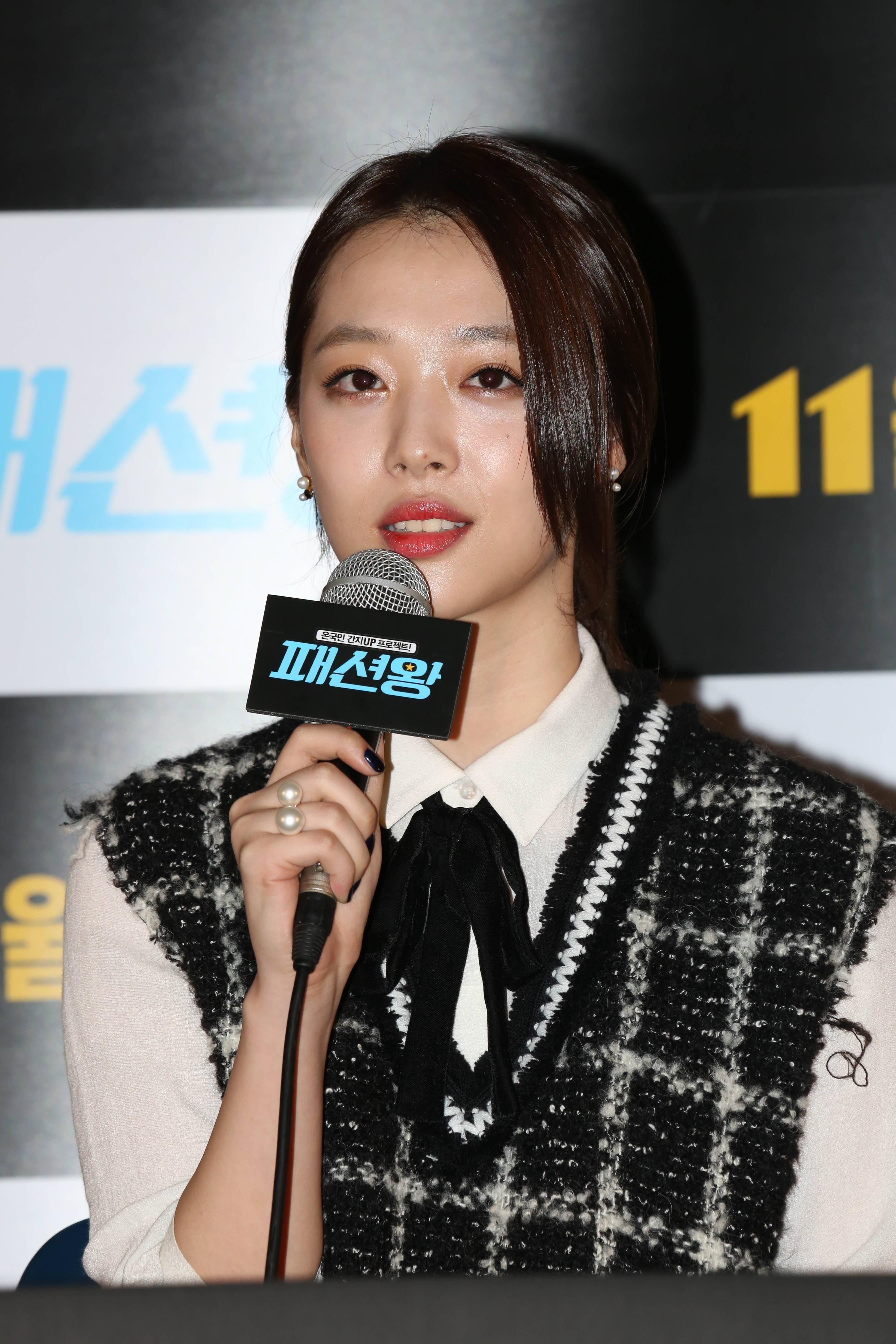
Despite its massive popularity, the K-Pop industry continues to suffer from severe structural human rights issues such as idol suicides, sexual exploitation of minors, and unfair contract disputes. Even amid public calls for reform, little change has occurred within the industry, leaving idols and stars’ lives and fundamental rights under constant threat. The K-entertainment sector remains deeply entrenched in Korea’s traditional value of “chemyeon,” or face-saving. Han Seong-ryeol, honorary professor of psychology at Yonsei University, noted that “for many Koreans, maintaining face has been regarded as a more valuable asset than life itself.” Within this cultural framework, celebrities face immense pressure to uphold an absolute and unattainable standard of moral purity. Following SHINee’s Kim Jong-hyun’s death by suicide in 2017, a series of tragedies followed, including Sulli of f(x) in 2019, Goo Hara of KARA in 2019 (six weeks after Sulli), actor Lee Sun-kyun in 2024, and actress Kim Sae-ron in February 2025. Each time, memorials were held and calls for reform rose loudly, yet the cycle of death persisted. Sulli was labeled a “troublemaker” for her bare-breast outfits, public statements on feminism, and liberal relationship choices. Goo Hara, despite being a victim of her abusive ex-boyfriend’s sexual video blackmail, was ostracized by society once the existence of the videos became public. Lee Sun-kyun faced relentless media and public attacks even before evidence confirmed his drug investigation allegations, and although he tested negative in drug tests, his projects were canceled as he was placed on a blacklist. Kim Sae-ron endured extreme suffering for years under public and media criticism following accusations of drunk driving in 2022. Sexual exploitation of minors is also widespread across the industry. Despite public outrage and criticism, profit-making through the sexual exploitation of minors continues to be an issue deeply embedded in the K-Pop industry’s structure. Earlier this year, NewJeans unilaterally terminated their contracts with ADOR, a HYBE subsidiary, alleging “unfair treatment,” “discrimination,” and “workplace harassment.” While ADOR denied these claims, 16-year-old idol Lee Eun stated that “some people treated me like a child but expected me to act like an adult when it was convenient for them,” highlighting the industry’s double standards. NewJeans is now active under the new group name NJZ, striving for “greater creative freedom and a broader artistic scope.” Legal conflicts have intensified as ADOR filed an injunction in a Seoul court attempting to ban NewJeans from new activities, music releases, and international performances. NewJeans said, “We don’t expect the problems in the K-Pop industry to change overnight,” but added that they are “disappointed.” The K-entertainment industry, bound by the “chemyeon” culture, rarely offers second chances to celebrities, and once labeled with moral flaws, everything is taken away from them. Protecting idols’ human rights and fundamental freedoms, along with structural reforms across the industry, is now an urgent necessity.
발행·편집 책임: 국기봉 · KPOP Signal editorialThis article was written with AI from verified source material and passed automated checks before publication. It may contain factual errors. AI disclosure · Request a correction
Comments (0)
No comments yet — be the first to start the conversation.