PLAVE, ISSEGAEIDOL, and FELIN Drive Rapid Growth in Domestic and International Virtual Idol Markets
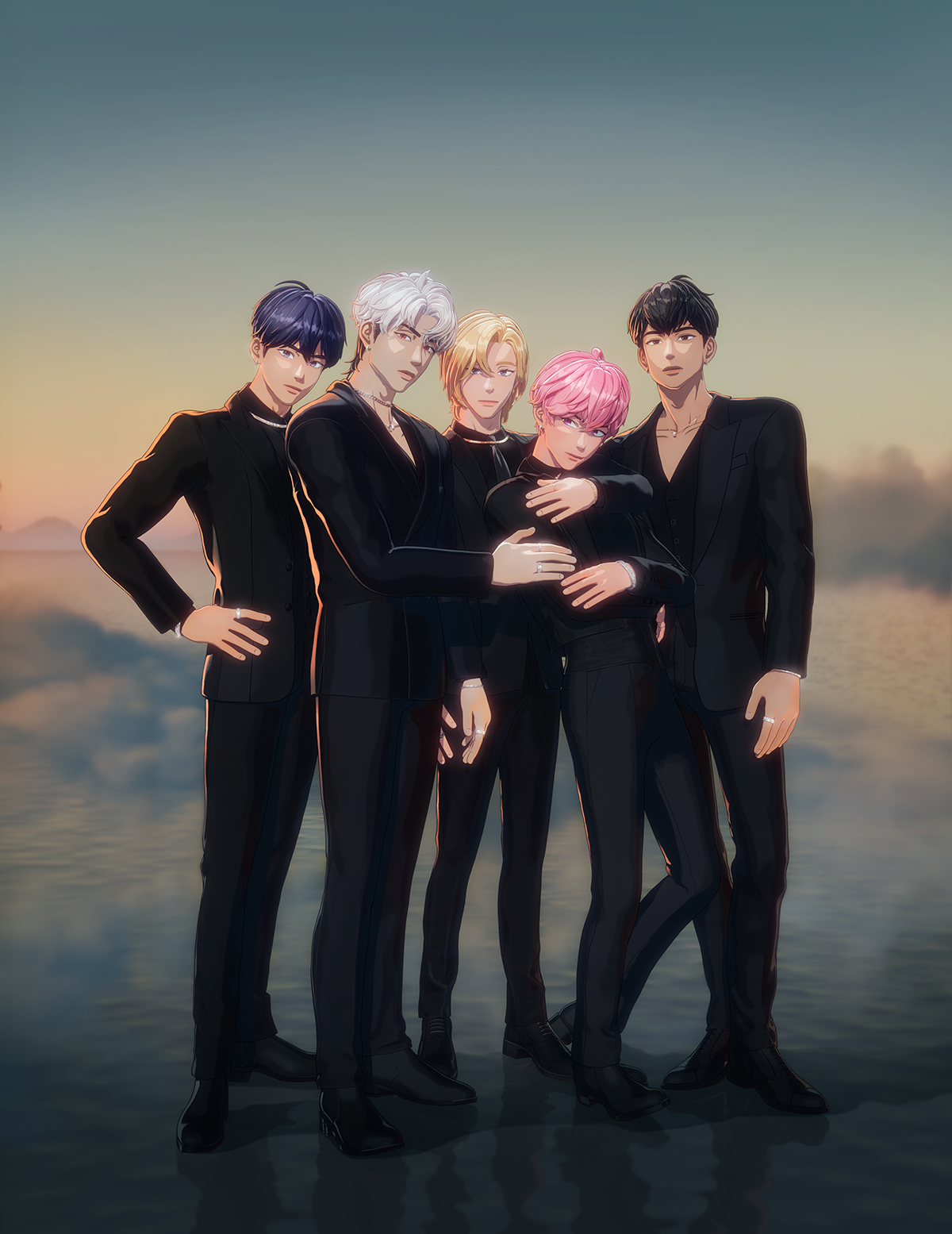
Alongside the K-POP craze, virtual idols are emerging as new pillars of K-culture. These idols, who build fanbases through different pathways from traditional K-POP idols, are transforming the entertainment industry by selling out offline concerts and gaining global popularity. Domestic virtual idols such as PLAVE and ISSEGAEIDOL are experiencing rapid growth centered around the live streaming platform SOOP. Rather than relying on conventional agency training systems, they cultivate fanbases through real-time interactions with fans within live streaming communities. This growth was fueled by the success of global virtual YouTuber markets like Japan’s Hololive and Nijisanji. The “ISSEGAE FESTIVAL 2025,” held in Seoul’s Gocheok Sky Dome in May, marked the first time a virtual idol successfully staged a large-scale offline event, symbolizing the shifting status of virtual idols. Virtual idols expand their fanbases by holding offline concerts, organizing pop-up events, and selling merchandise, while also creating immersive content that leverages the features of live streaming platforms such as games, sports, variety shows, and the metaverse to engage with fans. High-quality music content is another key factor in their success. The new idol group “LUVITA,” formed through a collaboration between SOOP and virtual content specialist DOORIBUN, receives systematic K-POP training from top-tier artists including Jay, who designed choreography for TWICE, Changmin from 2AM, who handles vocal training, and rapper Chita. They are set to make their official debut at the MBC Virtual Live Festival (VLF) in October and will have opportunities to grow musically and expand their activities through album releases, K-POP performances, and solo showcase events. Another virtual group participating in VLF is “Plan.B Music,” a virtual hip-hop label run by SOOP streamer, rapper, and singer-songwriter BIPAE. Composed of three virtual streamers—Hanse, Nabi, and Songbam—Plan.B has established its identity through high-quality videos and music that integrate AI and the metaverse, following the release of their compilation album “Plan.B” last year and the release of the music video for their 2.5th album “MVP” in March this year. Virtual entertainment agencies are also actively recruiting talent. Stellive, a virtual talent agency, has conducted four rounds of recruitment for the fourth generation this year. The fourth round, officially announced on October 5, runs from October 5 to October 26 and targets adult women with skills in live streaming or on-air performances. Selection proceeds after a document review followed by an interview stage. The recruitment announcement video garnered 50,000 views within 12 hours, showing strong interest, with fans leaving supportive comments expressing trust in the company’s careful selection process. The global market is also being driven by virtual idols. The five-member virtual idol “FELIN,” developed by Lumong Studio, an AI media content company subsidiary of NAECO, became extremely popular at “K-EXPO Spain 2025” held in Madrid, Spain (September 28–30). Despite the event starting at 1 p.m., long queues formed from early morning to wait for entry, indicating intense enthusiasm. Lee Sun-jin, CEO of Lumong Studio, said, “Our booth displayed FELIN, developed using image and video production technologies based on generative AI, and numerous visitors came throughout the three days. The special photo frame that allowed fans to take pictures with FELIN became the most popular photo spot at the event.” Thanks to enthusiastic support from local fans, FELIN’s official social media followers also increased significantly, and all prepared merchandise was sold out. The key to FELIN’s success lies in its attractive character design, diverse personality and style settings for each member, an interesting worldview, and a natural approach through short-form videos. These elements combined have led to a growing number of fans globally. As the virtual idol market expands, it is expected that more talented K-POP virtual streamers will debut through live streaming platforms. The level of fan enthusiasm and commercial success comparable to that of traditional K-POP idols show that virtual idols are no longer just experimental attempts but have established themselves as mainstream entertainment.
발행·편집 책임: 국기봉 · KPOP Signal editorialThis article was written with AI from verified source material and passed automated checks before publication. It may contain factual errors. AI disclosure · Request a correction
Comments (0)
No comments yet — be the first to start the conversation.