Netflix’s “KPop Demon Hunters” Sparks Global Craze as Virtual Groups Beat BTS Records
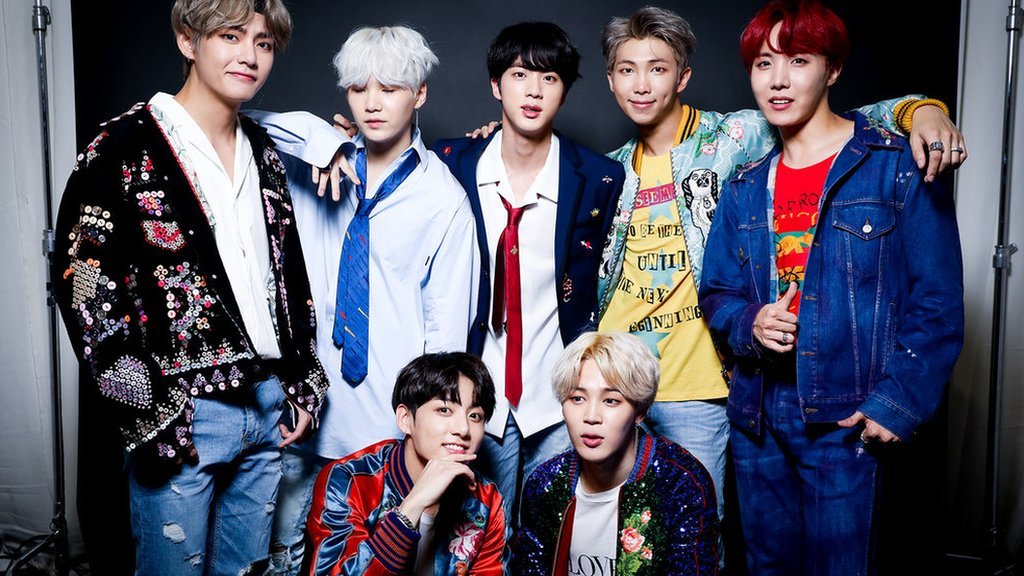
The Netflix original animated film “KPop Demon Hunters,” released on June 20, has become a global cultural phenomenon. It topped charts in over 40 countries, including the United States and South Korea, and remained the highest-ranking Netflix movie globally for more than two weeks after its release. The film is a musical fantasy that depicts the dual lives and conflicts between the K-pop girl group “Huntrix,” who protect the human world from evil spirits, and the boy group “Lion Boys,” who disguise themselves as spirits. Even more impressive are the achievements of the film’s soundtrack. The OST album entered the U.S. Billboard 200 main album chart at position 8, marking the best result for any OST released this year. Songs by these virtual groups have even begun competing with real K-pop idol groups. “Your Idol” by Lion Boys reached position 2 on the Spotify U.S. chart, surpassing BTS’s Grammy-nominated song “Dynamite,” which was in third place. This marked the highest ranking ever achieved by a K-pop boy group on Spotify in U.S. history. “Golden” by Huntrix reached position 3 on Spotify, tying BLACKPINK for the highest ranking among U.S.-based K-pop girl groups. The popularity of the OST continues to rise. During the first four days after release (June 20–23), the 12 tracks accumulated a total of 13.3 million streams. However, one week later (June 27–30), this figure increased by 220% to 42.8 million streams. “Golden” saw a 272% increase, reaching 7 million streams during the same period, while “Your Idol” saw a 250% increase, reaching 6.6 million streams. Other tracks included in the OST, such as “What It Sounds Like” and “Free,” also saw their stream and download counts increase by more than three times. The production team behind this film consists of Sony Pictures Animation, along with Canadian-Korean director Maggie Kang and co-director Chris Applehanes. Producers from SM, YG, and HYBE, who have real experience in K-pop development, contributed to the music production. Additional contributors included Double Black Label producers such as star producer Teddy and Grammy-nominated songwriter Steven Kirk. Real K-pop idols also participated in the project. TWICE’s Jeongyeon, Jihyo, and Chaeyoung recorded “Takedown” for Huntrix, and TWICE’s existing song “Strategy” was also included in the soundtrack. Director Maggie Kang stated that she referenced real K-pop idols to capture the individual charms of each of Huntrix’s three characters. The group was modeled after BLACKPINK, TWICE, and IVE, with the protagonist “Rumi” inspired by Jennie’s “Kill This Love” style. The male idol group “Lion Boys” was inspired by BTS, Stray Kids, and TOMORROW X TOGETHER, while the leader character “Jinwoo” was modeled after Cha Eunwoo and Namjoo’s appearances and atmospheres. The voice cast is equally impressive. Actor Ahn Hyo-seop voiced “Jinwoo,” and Lee Byung-hun voiced “Gwima.” For the OST vocals, composer Lee Jae (real name Kim Eun-jae), who was once a Trainee at SM Entertainment, sang Rumi’s parts. American R&B singer Audrey Nuuna and Korean-American singer Ray Aimi sang Mira and Joy’s parts. Lion Boys featured composer Andrew Choi, who finished third on the audition program “KPop Star,” Kevin Woo from U-KISS, and Double Black Label producer Danny Jung. K-pop fans and actual idols are also enthusiastic about this phenomenon. BTS’s RM sang along to the song during a Weverse live broadcast, performing the choreography to “Soda Pop,” and Jungkook mentioned that he had watched the film. A video of TWICE performing Huntrix’s “Takedown” choreography garnered over 17 million views on TikTok, while a ZEROBASEONE “Soda Pop” challenge video exceeded 10 million views on TikTok as well. TOMORROW X TOGETHER released a YouTube video dancing to their song “Eternally” in a “Demon Hunters version,” and Director Maggie Kang expressed her gratitude on social media. Experts believe that the success of this project lies in its use of current creators and artists to produce music that feels familiar to existing K-pop fans. Cultural critic Jeong Deok-hyun explained, “The OST album’s entry onto the Billboard chart means that existing K-pop fans were driving the momentum. It worked because they approached the project with the goal of putting K-pop at the forefront and creating authentic K-pop.” The film has also received praise from Korean audiences for its detailed portrayal of Korean culture. Elements such as Namsan Tower, Hanok houses, and ghost hunters reflect Korean aesthetics, while everyday scenes like cup noodles, snacks, bathhouses, and traditional Korean medicine clinics are depicted with precision. Korean shaman culture is also a key element of the film. Director Maggie Kang mentioned in an interview, “I thought a ‘gut’ ceremony might be the earliest form of concert.” With its position as Netflix’s highest-ranking global movie, entry at number 8 on the Billboard 200, and the highest ranking ever achieved by a K-pop boy group on Spotify, this project has become a symbol of K-pop culture’s global influence and the creativity of South Korea’s entertainment industry.
발행·편집 책임: 국기봉 · KPOP Signal editorialThis article was written with AI from verified source material and passed automated checks before publication. It may contain factual errors. AI disclosure · Request a correction
Comments (0)
No comments yet — be the first to start the conversation.