Netflix Animation ‘K-Pop Demon Hunters’ Achieves Record-Breaking Success; OST ‘Golden’ Ranks No. 1 on UK Charts for 8 Weeks
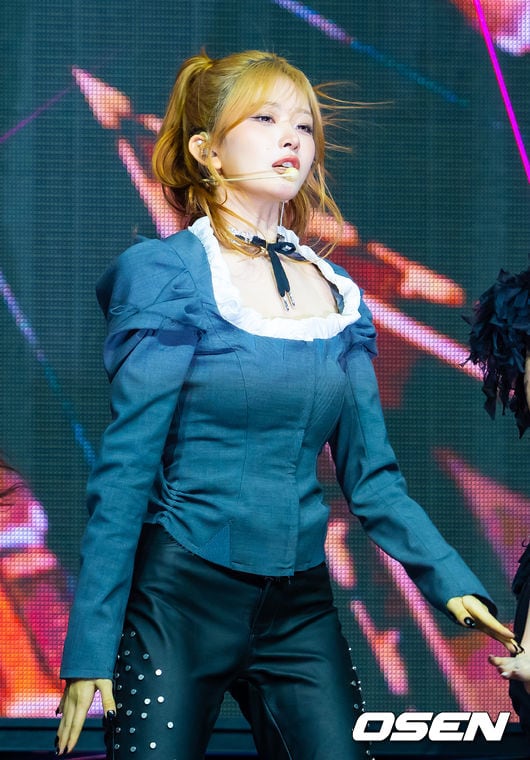
Netflix’s animated musical film ‘K-Pop Demon Hunters’ became the most-watched movie in streaming platform history just three months after its release in June. With over 266 million views, the film tells the story of a fictional girl group named “Huntrix” fighting against a demon faction called “Lion Boys.” The film’s flagship OST, “Golden,” held the top spot on the UK Official Singles Top 100 chart for seven consecutive weeks and has remained at number one for a total of eight weeks when counting non-consecutive periods. This represents the longest duration a K-pop artist has spent at the summit of that chart, far surpassing Psy’s “Gangnam Style” which lasted one week in 2012. Notably, “Golden” was actually performed by Korean-American musicians such as IJAY, Audrey NuNa, and Lay Aimi, setting a tie for the longest reign at the top of that chart among songs sung by animated characters. This achievement is on par with the 1969 animated band The Archies’ “Sugar, Sugar.” The film’s four OST tracks have now stayed on the Official Singles Top 100 chart for nine consecutive weeks, with “Soda Pop” currently in 5th place and “Your Idol” in 6th. The film’s success stemmed from its energetic choreography, strong female lead characters, and vivid neon-colored animation that captivated both K-pop fans and general audiences. Korean choreographer Jonahine, who was responsible for the choreography, created moves for both “Golden” and “Take Down.” He explained, “I designed intuitive and dynamic movements using the keyword ‘animation,’ and I envisioned a spectacular performance on a grand stage when creating the choreography for ‘Golden.’” Jonahine also expressed surprise at how the choreography has spread across the internet following the film’s success, including through clips, fan recreations, and tutorial videos. Cultural experts are paying attention to the symbolic elements of Korean culture depicted in the film. Dana Kim, a Korean art historian from Bay Area, commented, “It is impressive that it includes iconic Seoul landmarks such as Namsan Tower, Naksan Park, and Myeongdong Square, along with symbols from Korean art tradition like tigers and magpies.” In the Joseon era, tigers were used in folk art to satirize the ruling class, while magpies symbolized ordinary people and good news. The film released a singalong theater version at the end of August, which topped the U.S. box office, making it Netflix’s first singalong movie to reclaim the box office crown. It is reported that a sequel to the film is already in production.
발행·편집 책임: 국기봉 · KPOP Signal editorialThis article was written with AI from verified source material and passed automated checks before publication. It may contain factual errors. AI disclosure · Request a correction
Comments (0)
No comments yet — be the first to start the conversation.