Male Idols Driving Up K-Beauty Sales as Major Companies Compete to Hire Them as Models
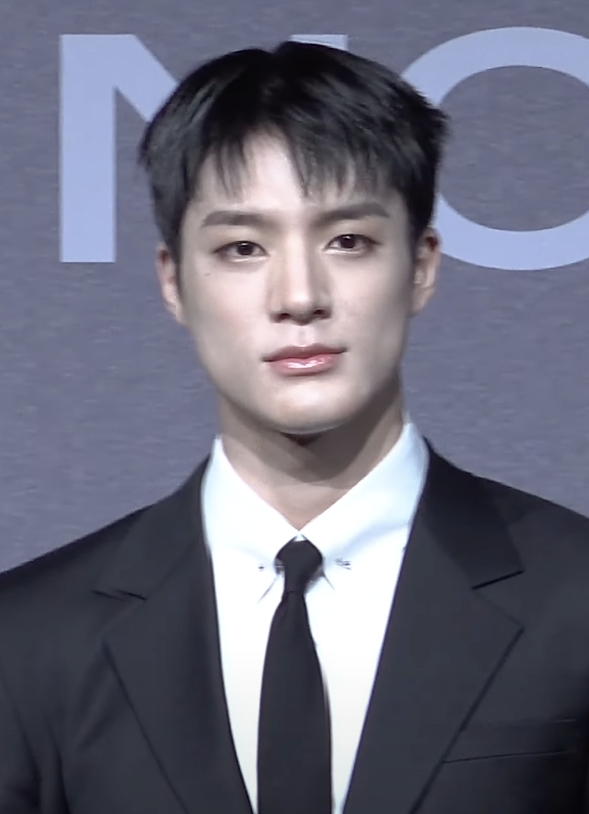
The K-Beauty industry is making fundamental changes to its marketing strategies. Traditionally focused on female models, cosmetic brands are now turning to male idols as ambassadors to reach global consumers. Last year, Amorepacific selected Jin from BTS as the model for its foundation brand Laneige and achieved notable results. Laneige’s total sales in the fourth quarter of last year surged by over 30% compared to the same period the previous year. A representative from Amorepacific explained, “Since featuring Jin as a model, sales increased across major distribution channels such as Sephora and Amazon, with the brand ranking third in skincare sales at Sephora.” Inspired by this success, K-Beauty indie brands have also begun hiring male idols. ABCL’s makeup brand E’fu appointed Jeno from NCT as its brand ambassador in February this year. Since Jeno’s first fashion photos were released in June, searches for the E’fu brand on social media increased by 357% compared to the same period last year. An E’fu official stated, “We chose him as a model because he is highly popular among overseas Gen Z women, born in the late 1990s and early 2010s.” Another K-Beauty company, PAKET, hired ENHYPEN as its global ambassador for its skincare brand Mixsun in February this year, while IZ*ONE is also using Jaemin from NCT as a model. STRAYKIZ is also receiving offers from major brands. Cosmetic companies are maximizing marketing effectiveness through idol merchandise. GOONSENSANG’s “Dr. J” launched a campaign offering entry tickets for face-to-face fan sign-ups with the boy group BOYNEXTDOOR in exchange for purchases of its soothing cream at Olive Young. A representative from CJ Olive Young said, “More and more cosmetic companies are using male models to provide photo cards or entry tickets for fan sign-ups.” Experts view this trend positively. Lee Young-ae, a professor of consumer studies at Incheon National University, analyzed, “Since women are the primary consumers of cosmetics, emphasizing male idol groups may be effective in rapidly boosting brand awareness overseas.” Thanks to the competitiveness of K-Beauty products and aggressive marketing strategies, cosmetic exports continue to rise. In July, South Korea’s provisional cosmetic export value reached $935.16 million, an increase of 17.1% compared to the same month the previous year. Exports to Europe showed particularly strong growth, with sales to France increasing by 70.4% and to the UK by 22.8%. Exports to the Middle East also surged by 38.8% during the same period. The strategy of using male idols as ambassadors has evolved beyond simple advertising effects to serve as a means of achieving two goals simultaneously: expanding the K-pop fandom economy and boosting K-Beauty exports.
발행·편집 책임: 국기봉 · KPOP Signal editorialThis article was written with AI from verified source material and passed automated checks before publication. It may contain factual errors. AI disclosure · Request a correction
Comments (0)
No comments yet — be the first to start the conversation.