KISS OF LIFE Sparks New Criticism Over Cultural Appropriation in K-pop Following Black Culture Controversy
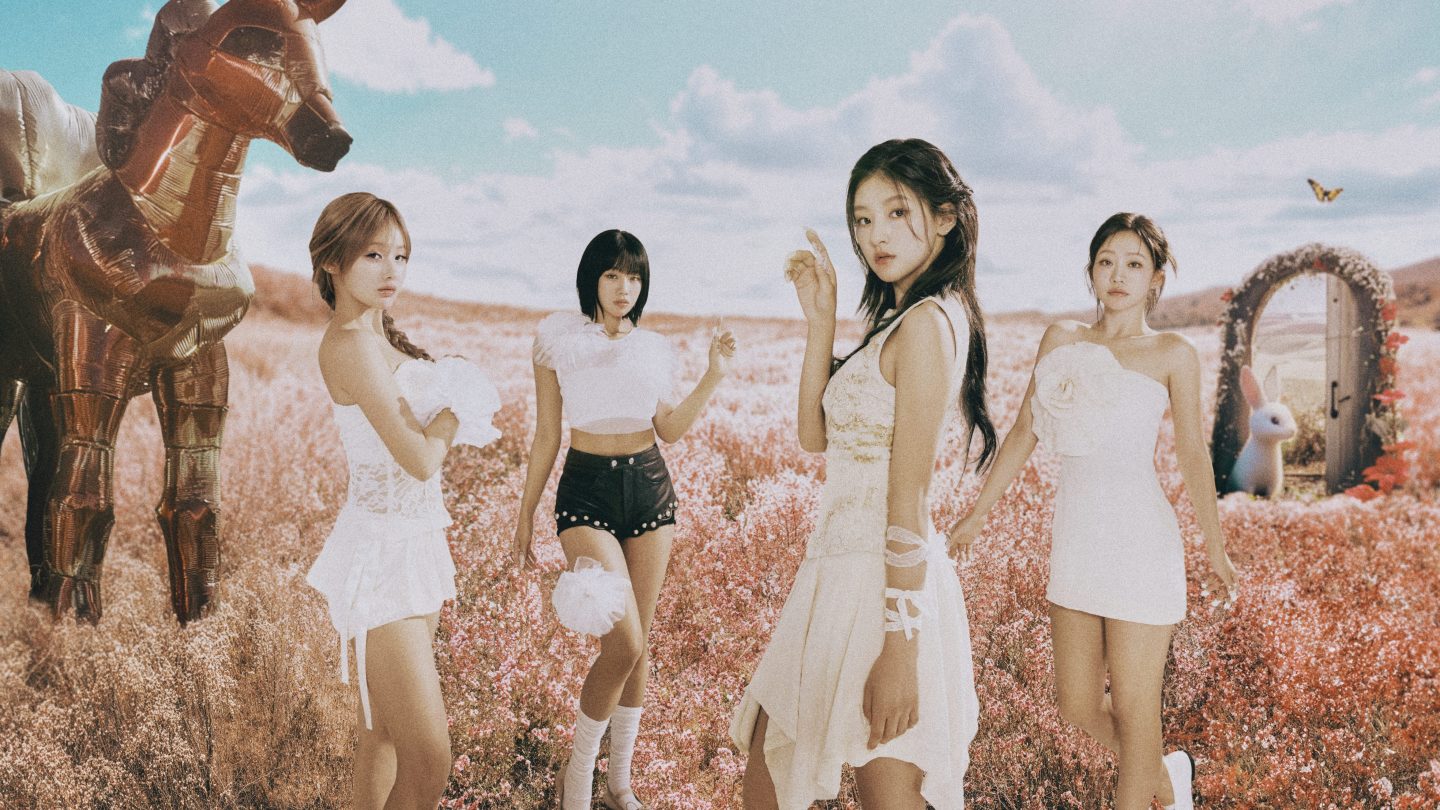
The new K-pop girl group KISS OF LIFE has become the focus of international controversy for imitating black culture. Managed by S2 Entertainment, the group triggered backlash on April 2 when it held a live broadcast to celebrate member Julie’s birthday, themed around an “old-school hip-hop atmosphere.” During the broadcast, all four members wore hairstyles and outfits strongly associated with black culture, including African braids and gold chains, aiming to replicate the look of a black rapper’s girlfriend. Belle, a Korean American member from Seattle, was even given the mocking nickname “Lil Taco Belle” in derogatory comments. The members also mimicked typical behaviors of black rappers, which led to widespread criticism online, with many labeling it as “black culture cosplay.” The controversy intensified further after Belle posted a message to fans before the broadcast asking them to promise not to quit being fans after watching it, raising suspicions that she was aware of potential backlash. S2 Entertainment issued an official statement on April 3, and the members posted handwritten apologies on X (formerly Twitter) on April 6, but criticism both domestically and internationally remained intense. This incident drew comparisons to previous cases, such as in 2012 when BTS member Lee Gikwang faced severe overseas backlash for his curly hair, black makeup, earrings, silly expressions, and behaviors. Several other K-pop groups, including the former Bubble Sisters, have also been involved in similar controversies. Experts emphasize that African braids are not merely a hairstyle but a refined aesthetic achievement that overcomes the inherent limitations of black curls. They argue that black music and styles originated from the history of diaspora and the suffering of slavery, and that simple imitation without understanding this context equates to using black people’s pain as a means to success. Structural changes in the K-pop idol industry are also cited as a factor exacerbating the issue. Since BTS, there has been a growing trend among idol members to communicate freely with the public through social media individually, with live broadcasts becoming more frequent. Concerns arise that such autonomous activities, lacking corporate filtering, may expose content that could spark controversy. Experts suggest that combining the planning, coordination, and control strengths of traditionally managed idols with the advantages of autonomous activities is necessary to curb phenomena like cultural appropriation. Above all, they stress that both K-pop and Korean society as a whole must respect other cultures to prevent similar controversies from recurring.
발행·편집 책임: 국기봉 · KPOP Signal editorialThis article was written with AI from verified source material and passed automated checks before publication. It may contain factual errors. AI disclosure · Request a correction
Comments (0)
No comments yet — be the first to start the conversation.