Kiss of Life Faces Criticism for Wearing African Traditional Hairstyles in “Old-School Hip-Hop” Themed Birthday Stream
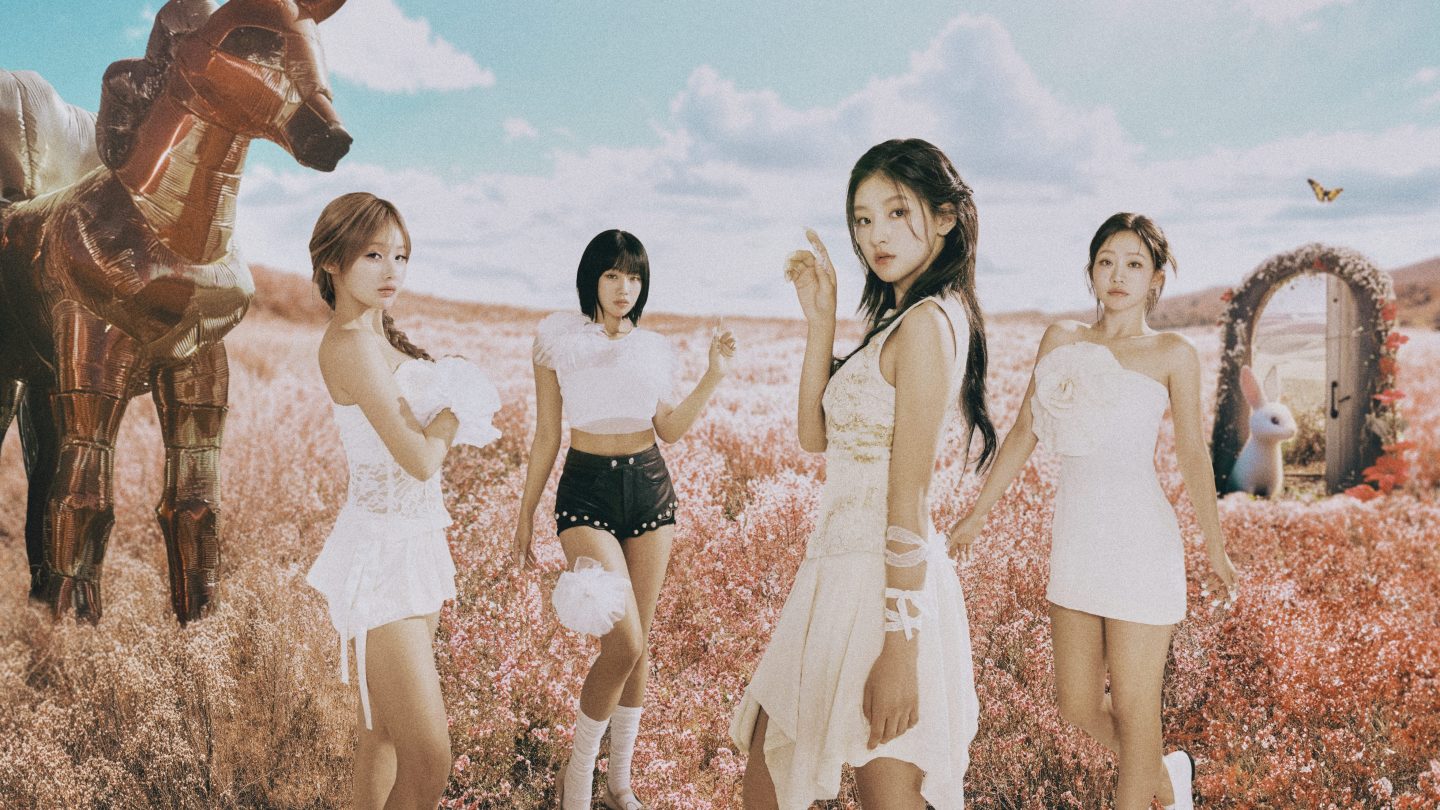
K-pop girl group Kiss of Life sparked controversy during a birthday celebration stream themed around an “old-school hip-hop vibe.” On April 2, to mark member Julie’s birthday, the group members wore African traditional hairstyles such as cornrows and Bantu knots, along with gold chains. They conducted the stream in outfits and gestures that resembled those of Black rappers, and Belle, a Korean-American member from Seattle, was jokingly referred to as “Lil Taco Belle.” Belle hinted at potential backlash in a fan message just before the stream, asking viewers not to leave their fandom after watching. International fans and online communities immediately criticized the group for “costuming” Black culture. In particular, Bantu knots, a traditional hairstyle originating from South Africa’s Zulu kingdom, were accused of being racist. Their agency, S2 Entertainment, stated in its first statement on April 3 that while the content was created based on old-school hip-hop styles, they failed to realize it could reinforce stereotypes. However, fans demanded that the members take direct responsibility rather than hiding behind corporate statements. As the controversy persisted, the four members of Kiss of Life posted a handwritten apology on April 5. Starting with the words “We sincerely apologize to our official fandom, Kissy. Our actions have disappointed many fans,” the members admitted they “went too far in trying to show respect for old-school hip-hop” and promised to approach cultural references with greater caution and respect going forward. This incident once again brought to light the long-standing issue of cultural appropriation within the K-pop industry. The practice of drawing inspiration from Black culture without proper credit or respect has faced increasing criticism as the industry expands its global reach. The situation escalated further following the release of a video showing BLACKPINK’s Jennie using racist terms while covering a song by a Black artist before her debut. Industry experts and fans argue that as K-pop seeks to grow globally, it must fundamentally address these issues of cultural insensitivity.
발행·편집 책임: 국기봉 · KPOP Signal editorialThis article was written with AI from verified source material and passed automated checks before publication. It may contain factual errors. AI disclosure · Request a correction
Comments (0)
No comments yet — be the first to start the conversation.