KISS OF LIFE Faces Criticism for Imitating Black Culture, Rekindling K-Pop’s Recurring Issue of Cultural Appropriation
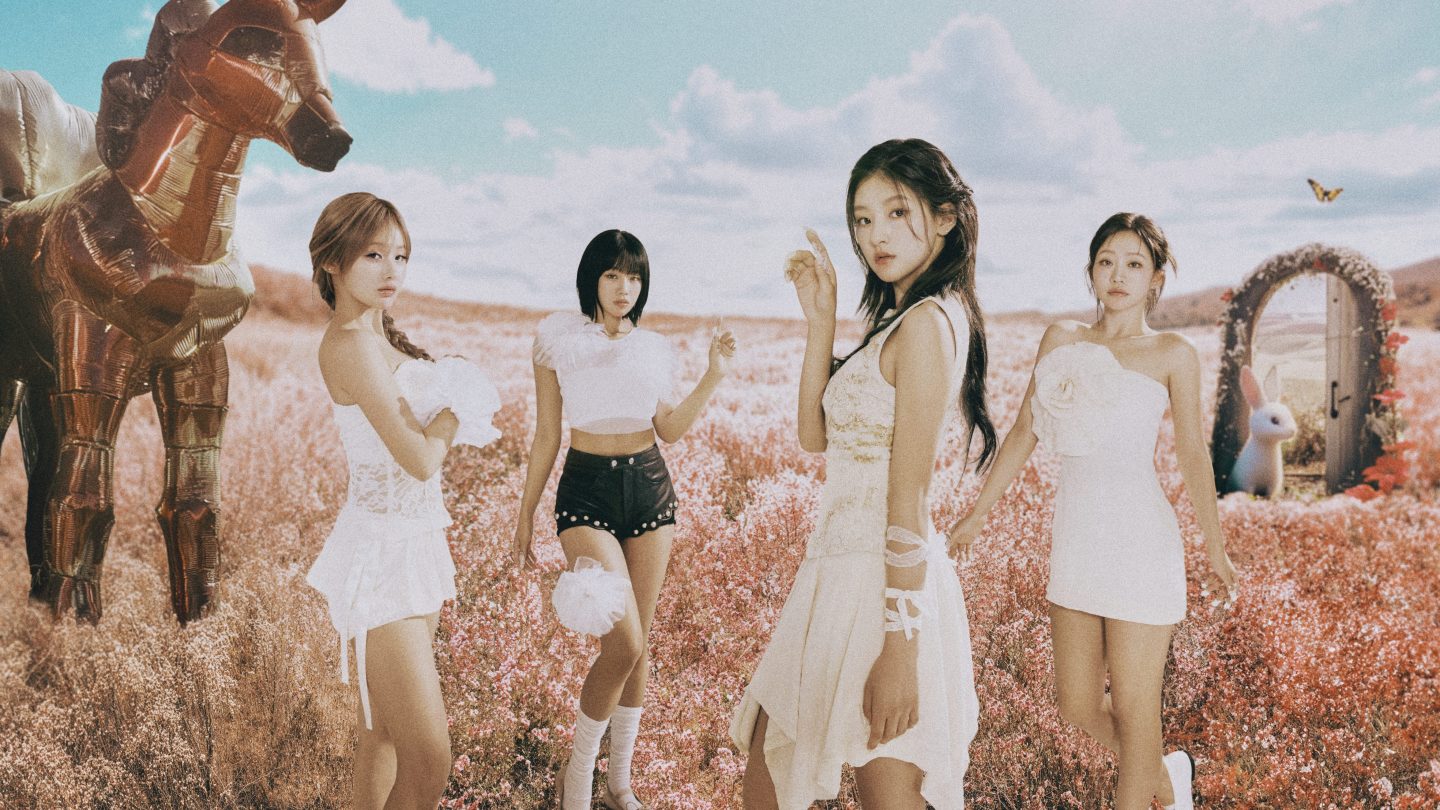
The girl group KISS OF LIFE has become the focus of criticism over allegations of imitating Black culture, thereby reigniting K-Pop industry’s persistent problem of cultural appropriation. Under S2 Entertainment, KISS OF LIFE organized a live broadcast on April 2 to celebrate member Julie’s birthday, adopting an “old-school hip-hop” theme that drew backlash. The four members wore clothing and accessories closely tied to Black culture, such as cornrow hairstyles and gold necklaces, while Bell, an American of Black descent born in Seattle, was referred to as “Lil Taco Bell” for mimicking the speech patterns and accents of Black rappers. This was criticized as mocking the identity of a specific race based on stereotypes. This is not the first time K-Pop has faced issues with cultural appropriation. Notable examples include MAMAMOO’s “Black Face” controversy, OH MY GIRL’s use of Native American imagery in YooA’s music video, BLACKPINK’s inclusion of Hindu religious artifacts in a music video, and NORAJO’s trivialization of Indian culture. These are recurring problems that have emerged as K-Pop expands into global markets. Cultural appropriation is problematic because cultural icons are directly connected to the identity of members within that culture. While hip-hop fashion elements like tank tops, New Era hats, and chain necklaces are used across borders, replicating Black rappers’ speech patterns and accents or using dark facial makeup is seen as imitating the identity of a specific cultural group shaped by stereotypes. The individuals involved may feel they are being mocked. Smaller companies in the industry tend to fail to pay proper attention to such matters. Despite KISS OF LIFE already apologizing the year before last after one of its members posted a pop song cover video containing derogatory remarks about Black people during her training days, similar controversy arose again. Events like birthday live broadcasts are planned by the company or at least approved by it, meaning artists often bear the brunt of criticism due to the company’s inadequate efforts. Although K-Pop generates significant revenue through its global expansion, the process of learning to recognize and handle culturally sensitive elements remains ongoing. Recently, extreme racist expressions have decreased, and it has become rarer for incidents involving cultures that have previously been protested against to recur. However, ignorance differs from a refusal to learn, and there are calls stating that for the K-Pop industry to build sustainable relationships with global partners, it needs more than just apologies—systematic education and management systems must be established.
발행·편집 책임: 국기봉 · KPOP Signal editorialThis article was written with AI from verified source material and passed automated checks before publication. It may contain factual errors. AI disclosure · Request a correction
Comments (0)
No comments yet — be the first to start the conversation.