K-Pop Resonates on Olympic Ice: Copyright and Cultural Impact of Hallyu Music at the Milan Games
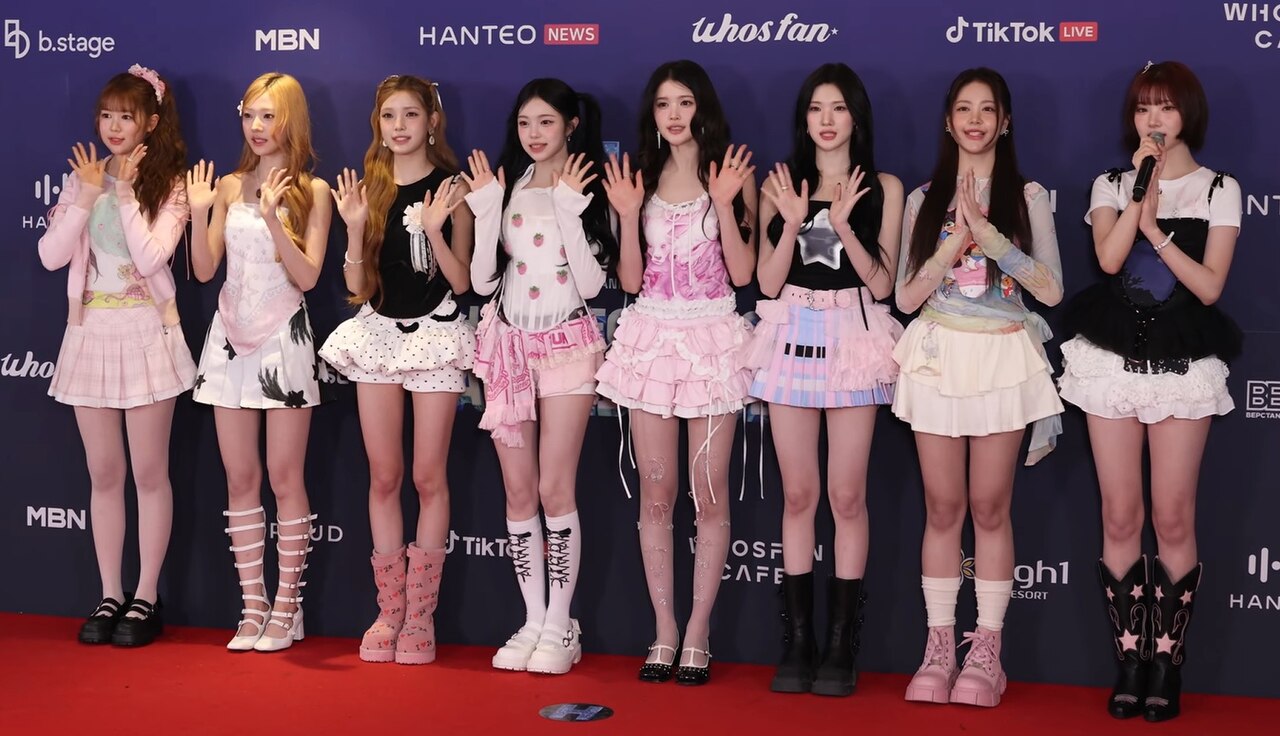
Photo 티비텐 TV10 / CC BY 4.0 — Wikimedia Commons
K-Pop has established itself as a new cultural trend at the winter Olympics taking place in Milan and Cortina d’Ampezzo, Italy, which opened on February 6. Approximately 3,500 athletes from 93 countries are competing in these games, with South Korea sending a team of 130 athletes. Figure skating, in particular, is a discipline that combines music and performance, and K-Pop has rapidly emerged as a dominant force in shaping the music used for these events.
K-Pop’s presence on the Olympic stage is unmistakable. At the ISU Four Continents Figure Skating Championships gala held in Beijing, China, last January, Rosé’s “APT.” and the soundtrack from the drama “Squid Game” were used, drawing strong reactions from the audience. Foreign athletes have also chosen K-Pop as music for their programs, further demonstrating the growing influence of Hallyu.
South Korean skater Lee Hae-in attracted attention by performing “Your Idol” by KPop Demon Hunters in her gala program. During her Olympic season free skating routine, Lee Hae-in used George Bizet’s “Carmen Suite” and music from the musical “Notre-Dame de Paris,” wearing a black dress that exposed her right shoulder. This outfit was named second in “Vogue Italia’s” list of “Best Olympic Figure Skating Outfits” for the 2026 Milan-Cortina Winter Olympics and also received a nomination for the ISU Figure Skating Awards’ “Best Costume” category—making her the only South Korean athlete to be nominated.
Meanwhile, male figure skater Cha Jun-hwan drew global and domestic fan attention by entering as the flag bearer for the South Korean team at the opening ceremony of these Olympics. Japanese media outlet The Answer reported that reactions included comments such as “He looks like a K-Pop idol” and “This is where cuteness defines everything,” while social media was filled with praise like “Cha Jun-hwan as the flag bearer is absolutely adorable” and “His sparkling elegance was outstanding.” Cha Jun-hwan was also welcomed by dozens of local fans upon arriving at Malpensa Airport in Milan, Italy.
When K-Pop is used on international stages, its copyright is managed under clear rules. Copyright protection follows the territorial principle, meaning laws of the country where the music is used apply. For all music utilized at these Olympics, usage fees are collected by SIAE, the local copyright management organization, in accordance with Italian copyright law.
When Korean music is used in competitions, SIAE collects the usage fees and then transfers them to the Korea Music Copyright Association (KMCA), which distributes them to domestic composers, songwriters, and other creators. The KMCA currently has mutual management agreements with 102 copyright management organizations worldwide to oversee the rights of Korean music used abroad. A KMCA official stated, “We have maintained a long-standing partnership with Italy’s SIAE, and given the scale of this major international event, we plan to manage everything meticulously to ensure that all used music is properly compensated.”
This same system is applied to international events held in South Korea as well. During the 2018 Pyeongchang Winter Olympics, it was recorded that approximately 7,900 songs were played a total of over 45,000 times. Driven by K-Pop’s global popularity, the amount of copyright revenue collected overseas is increasing rapidly. Last year alone, overseas music copyright revenues amounted to about 47.8 billion won, a 26.5% increase from the previous year.
발행·편집 책임: 국기봉 · KPOP Signal editorialThis article was written with AI from verified source material and passed automated checks before publication. It may contain factual errors. AI disclosure · Request a correction
Comments (0)
No comments yet — be the first to start the conversation.