K-Pop Industry Issues Exposed by NewJeans’ Dispute, Hierarchies and Materialism Fuelled by Luxury Brand Contracts
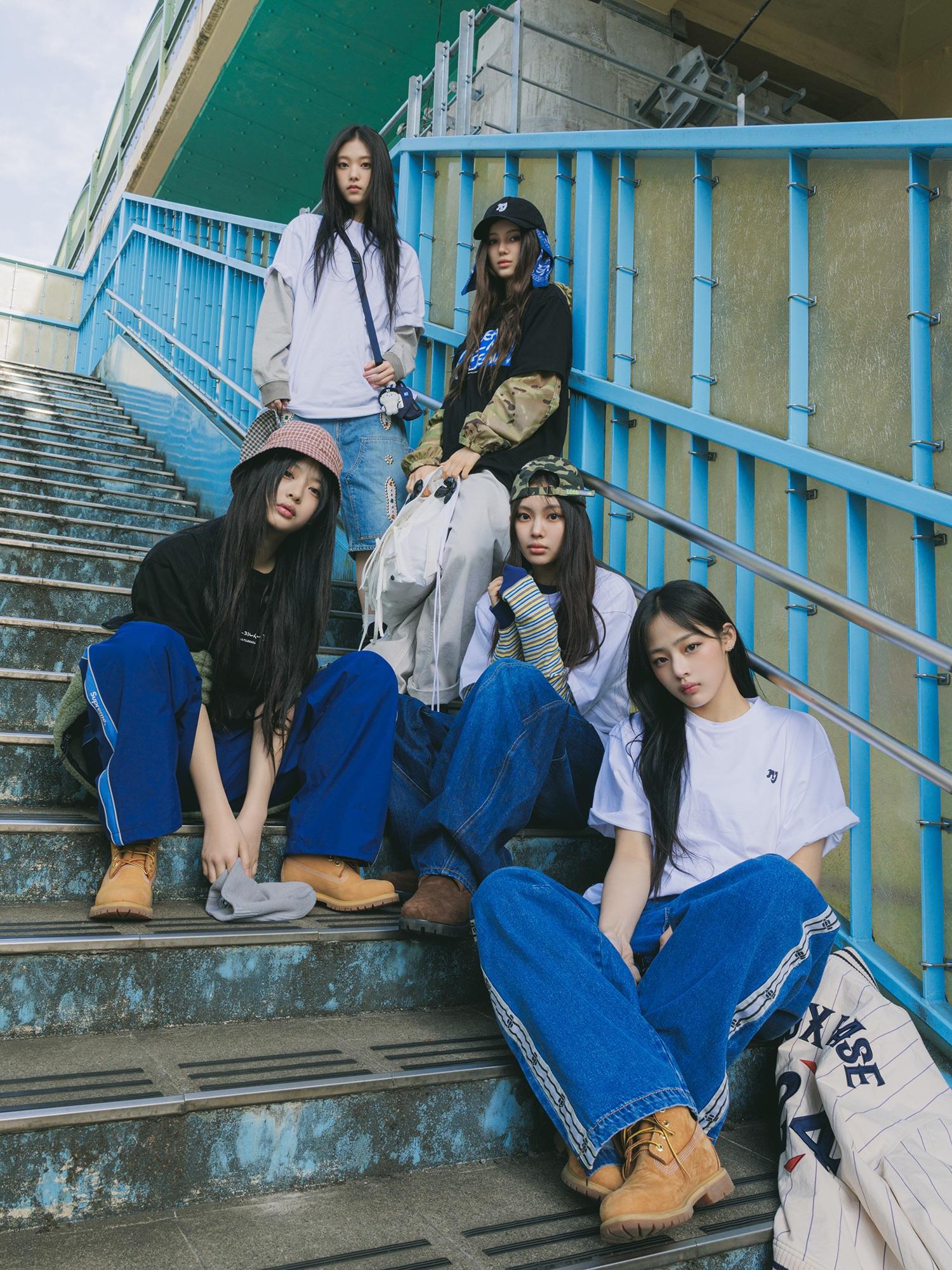
NewJeans’ dispute has exposed the structural problems within the K-Pop industry on a wide scale. The five-member group entered an indefinite hiatus last month after a Seoul court ruled that they could only perform under the supervision of their agency, ADOR. Debuting in 2022, NewJeans was hailed as a “2010s K-Pop phenomenon” for its Y2K-inspired visuals, genre-blending soundscapes, and partnerships with global brands such as Chanel and Coca-Cola. Although legal disputes between K-Pop idols and their agencies are not uncommon, the NewJeans controversy has drawn special attention due to the group’s unprecedented public messages, direct resistance against major labels, and the controversial role of creative director Minhee Jin. Industry analysts suggest this dispute could trigger a reevaluation of the entire K-Pop system. There are also concerns that luxury brand ambassador contracts are creating new hierarchies among K-Pop idols. With K-Pop stars like BLACKPINK’s Jennie, Lisa, and Rosé, as well as SEVENTEEN’s S.Coups, becoming faces for luxury brands, fans have begun comparing which brand each idol represents. A K-Pop industry insider noted, “Artists, especially younger idols, start to think their value depends on which brands they represent.” They added, “Since most K-Pop idols are still teenagers, it is questionable whether working as luxury brand ambassadors is healthy.” An international entertainment manager expressed similar concerns, stating, “Collaborations with luxury brands may enhance an individual idol’s image, but this is not always beneficial for the group. Idols should prove their value through performances rather than marketing.” These structural industry issues have also received attention at international film festivals. The interactive content “K-Pop: The Wonderland of Idols,” produced by BizHankook, won a Gold Remi Award at the 58th Houston International Film Festival. It is unusual for news reporting content to win in this category. This piece examined the structural problems in South Korea’s idol industry from the perspective of “labor,” presenting multiple layers of evidence for improving industry regulations through real testimonies from former and current idols and Trainees. This reporting subsequently led to parliamentary discussions, resulting in the passage of an amendment to the Popular Culture and Arts Industry Development Act aimed at protecting the right to education and health of youth cultural artists.
발행·편집 책임: 국기봉 · KPOP Signal editorialThis article was written with AI from verified source material and passed automated checks before publication. It may contain factual errors. AI disclosure · Request a correction
Comments (0)
No comments yet — be the first to start the conversation.