K-POP Industry Faces Severe Issues of Exploiting Minor Idols and Compromising Their Health
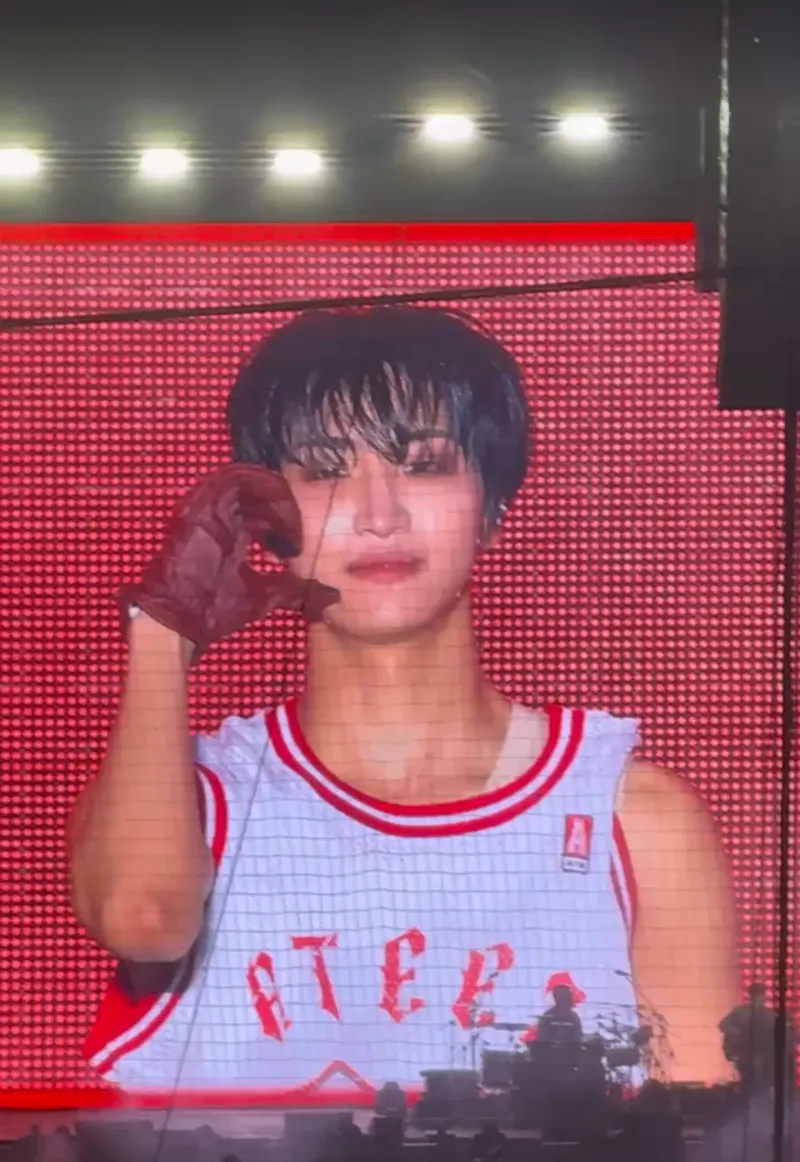
The exploitation of minor idols within the K-POP industry has been revealed to be at a critically serious level. Major entertainment companies recruit candidates as young as late teens and subject them to prolonged training, during which time they suffer extreme physical and mental harm. A representative from an entertainment company’s trainee development team testified that “8 out of 10 female trainees do not experience menstruation.” Trainees follow schedules that begin at 5 a.m. and end after 2 p.m., with some even forced to consume only water for a week to control their weight. Such extreme training methods disrupt the normal functioning of the body. Leading agencies such as HYBE and SM Entertainment conduct recruitment campaigns targeting individuals aged 10 to 17. A notable example is Yeoseo of MADEIN, who was born in 2005 and debuted at just 5 years old in the group CutieL. By now 20 years old, she has participated in three, or nearly four, separate K-POP groups. Jung Kook of BTS began training in his second year of middle school and debuted the following year. Another issue is that minor idols are required to continue their schooling while undergoing extremely long hours of training. While the United States has strict laws to prevent the exploitation of minor workers, South Korea lacks a clear definition of “work,” creating regulatory gaps that allow agencies to violate laws with little government oversight. The economic exploitation structure is also severe. Idols must repay training funds provided by their agencies over extended periods through loans, making it difficult for them to earn real income even after debuting. Since agency staff salaries and various expenses are deducted from the remaining earnings, idols end up receiving only a tiny fraction of what they generate. When most idols fail to debut, they are forced to abandon their dreams burdened by debts to their agencies, repeating a vicious cycle. Additionally, stalking by fans is a serious problem. Some obsessive fans follow idols for days or weeks, waiting outside dormitories, attending every performance, and photographing their private lives. While agencies attempt to restrict this behavior, they simultaneously encourage extreme fan service, perpetuating these parasocial relationships. Experts in South Korea’s music industry and legal professionals emphasize the urgent need for institutional regulations to enhance transparency and labor standards in the K-POP industry. There are concerns that if current practices continue, the innocent youth behind the globally popular K-POP will continue to suffer physical and mental harm.
발행·편집 책임: 국기봉 · KPOP Signal editorialThis article was written with AI from verified source material and passed automated checks before publication. It may contain factual errors. AI disclosure · Request a correction
Comments (0)
No comments yet — be the first to start the conversation.