K-Pop Idols Avoid Political Symbolism Ahead of June Presidential Election amid Controversy over “V” Gestures
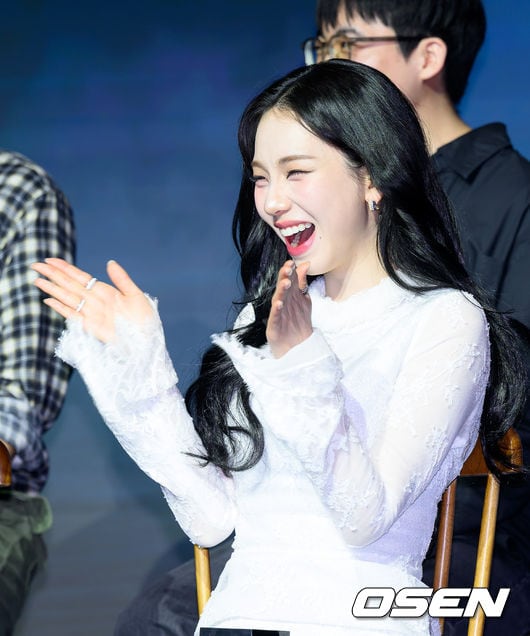
As South Korea approaches its presidential election on June 3, K-pop idols are deliberately avoiding gestures and outfits that could be interpreted as political symbols. This phenomenon, born from politically sensitive circumstances, illustrates the intense pressure to maintain political neutrality within the K-pop industry. Recent controversies have centered around simple finger gestures. On May 27, NMIXX’s Baega made a “V” gesture during a YouTube live broadcast before immediately stopping it and expressing frustration by saying, “No! You can’t make a V!” Sulyun also attempted to calm the situation with a similar pose. The “V” gesture is considered a symbol associated with the conservative People Power Party. Karina of aespa faced even more direct controversy after posting a photo on Instagram showing herself in a red and black jacket with the number 2 printed on it, only to delete it later. This was because the People Power Party’s candidate, Kim Mun-soo, uses red and voting number 2 in his campaign branding. Karina apologized through Bubble, her fan subscription platform, by saying, “I’m sorry for causing concern. That was definitely not my intention. I will be more careful and cautious in my actions going forward.” Her agency, SM Entertainment, also stated that the clothing was merely casual content and was deleted due to the possibility of misunderstanding. The reason K-pop idols are so extremely cautious is the deeply ingrained expectation and pressure for political neutrality in South Korea’s entertainment industry. There exists an unspoken rule that K-pop idols should be seen as cultural blank slates onto which fans can project their ideals. As a result, even the slightest political bias or behavior with potential social significance can lead to severe criticism. During election seasons, K-pop idols are warned not to wear colors associated with major political parties—such as red for the People Power Party, blue for the Democratic Party, yellow for the Justice for Our Country Party, and green for the Green Justice Party. Even seemingly harmless finger gestures like making a V or showing a thumbs-up near voting sites or sharing them on social media are discouraged, as they may mimic party colors or candidates’ voting numbers. Violating these unspoken rules carries immediate and serious consequences. The case of entertainer Yoo Jae-suk becoming embroiled in such political neutrality debates in 2018 shows just how serious political sensitivity is across K-pop and the broader entertainment industry. South Korea is currently facing by-elections triggered by the impeachment of former President Yoon Suk-yeol. Yoon resigned amid controversy over his declaration of a state of emergency in December 2024, and was later impeached following nationwide protests and a decision by the National Assembly. The ongoing presidential election focuses on economic fairness and diplomatic policy reforms led by Lee Jun-seok of the liberal Democratic Party. Amid such a sensitive political climate, K-pop idols are required to be more cautious than ever in their behavior to maintain political neutrality, regardless of their intentions.
발행·편집 책임: 국기봉 · KPOP Signal editorialThis article was written with AI from verified source material and passed automated checks before publication. It may contain factual errors. AI disclosure · Request a correction
Comments (0)
No comments yet — be the first to start the conversation.