K-pop Fans Use Fan Sticks to Advocate for Democracy – The Taiwan Qingniao Movement and BTS Fans’ Political Awakening
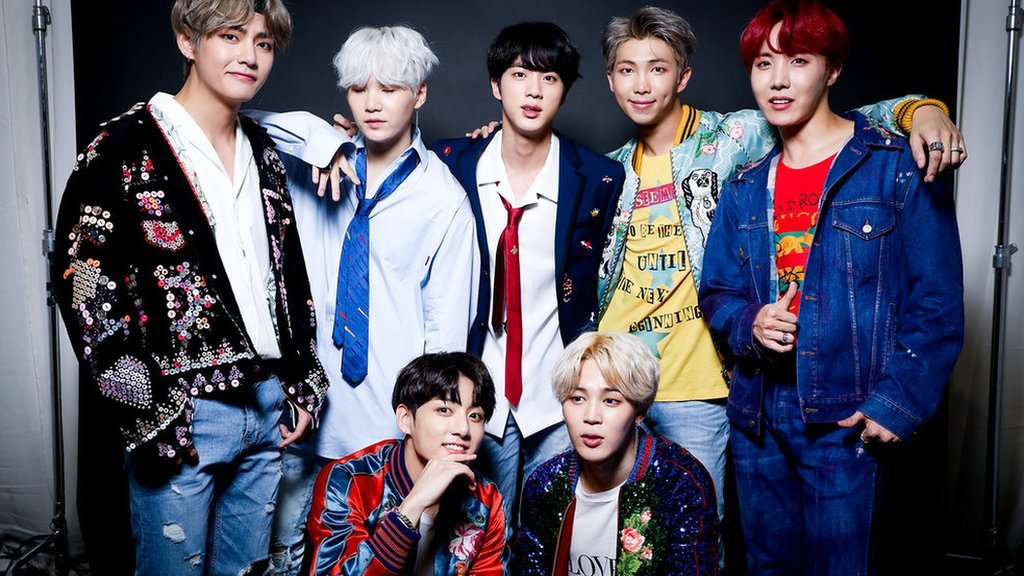
K-pop fans are transforming their cheering culture into social movements, raising their political voices around the world. In May 2024, large-scale protests erupted in Taiwan against specific legislative bills and unconstitutional procedures in the legislature, leading to what became known as the “Qingniao Movement” (靑鳥行動). In December, another wave of protests called the “Winter Qingniao Movement” occurred in response to the opposition party, the Kuomintang, and the Taiwan People’s Party forcibly amending the bills and raising standards for removal proceedings. Unlike the May Qingniao Movement, the winter protests featured a large number of K-pop fan sticks. Fan sticks are symbols of Korean popular culture, used to support Korean idols and groups. Initially, ordinary fluorescent sticks were used, but recently, specially designed fan sticks produced by entertainment companies for individual idols and groups have become symbols representing fan unity and collective identity. As K-pop’s influence grows, this practice has spread throughout Asia, including Japan. Even outside concerts, fan sticks serve as important expressions of fan community identity and sources of nostalgia. Taiwanese fans transformed idol cheering culture into a struggle for democracy during the Qingniao Movement. K-pop fans use their methods of supporting idols to express their fight for democracy and opposition to authoritarianism. One participant in the march said on stage, “The core of fan culture is identity.” Taiwanese fan groups shared photos and videos of themselves holding fan sticks during the protests on social media, which generated significant online attention. Fans expressed their support for Taiwan using the hashtag #TaiwanIsMyFavourite alongside slogans supporting their idols. Meanwhile, political awakening among K-pop fans is also emerging in China. According to analysis by the Friedrich Naumann Foundation, even amid extensive social media censorship and nationalist cultural policies enforced by Chinese authorities, BTS fans have launched digital counter-movements. Some fans have even publicly criticized government positions. Since 2016, China has severely restricted the influence of Korean culture. This was triggered by South Korea’s decision to deploy the THAAD missile defense system, leading to an unofficial ban on Korean culture. K-pop concerts were canceled or denied permits, Korean dramas and movies disappeared from Chinese streaming services, and Korean stars were removed from advertisements. In response, the Chinese government intensified nationalist discourse on social media. Research shows that China’s restrictive measures have sparked counter-movements among many BTS fans. Despite strict censorship and anti-Korean campaigns, BTS has maintained a strong presence in China. Chinese fans have creatively circumvented restrictions to actively support the group and spread its humanitarian messages. Moreover, the polarization caused by nationalist discourse has promoted the formation of transnational communities among BTS fans. They challenge dominant nationalist narratives, demonstrating the impact that digital fan culture can have on cultural and political identity in repressive environments.
발행·편집 책임: 국기봉 · KPOP Signal editorialThis article was written with AI from verified source material and passed automated checks before publication. It may contain factual errors. AI disclosure · Request a correction
Comments (0)
No comments yet — be the first to start the conversation.