K-POP Emerges as Global Mainstream Culture Post-Pandemic...Spreading Even to American Universities
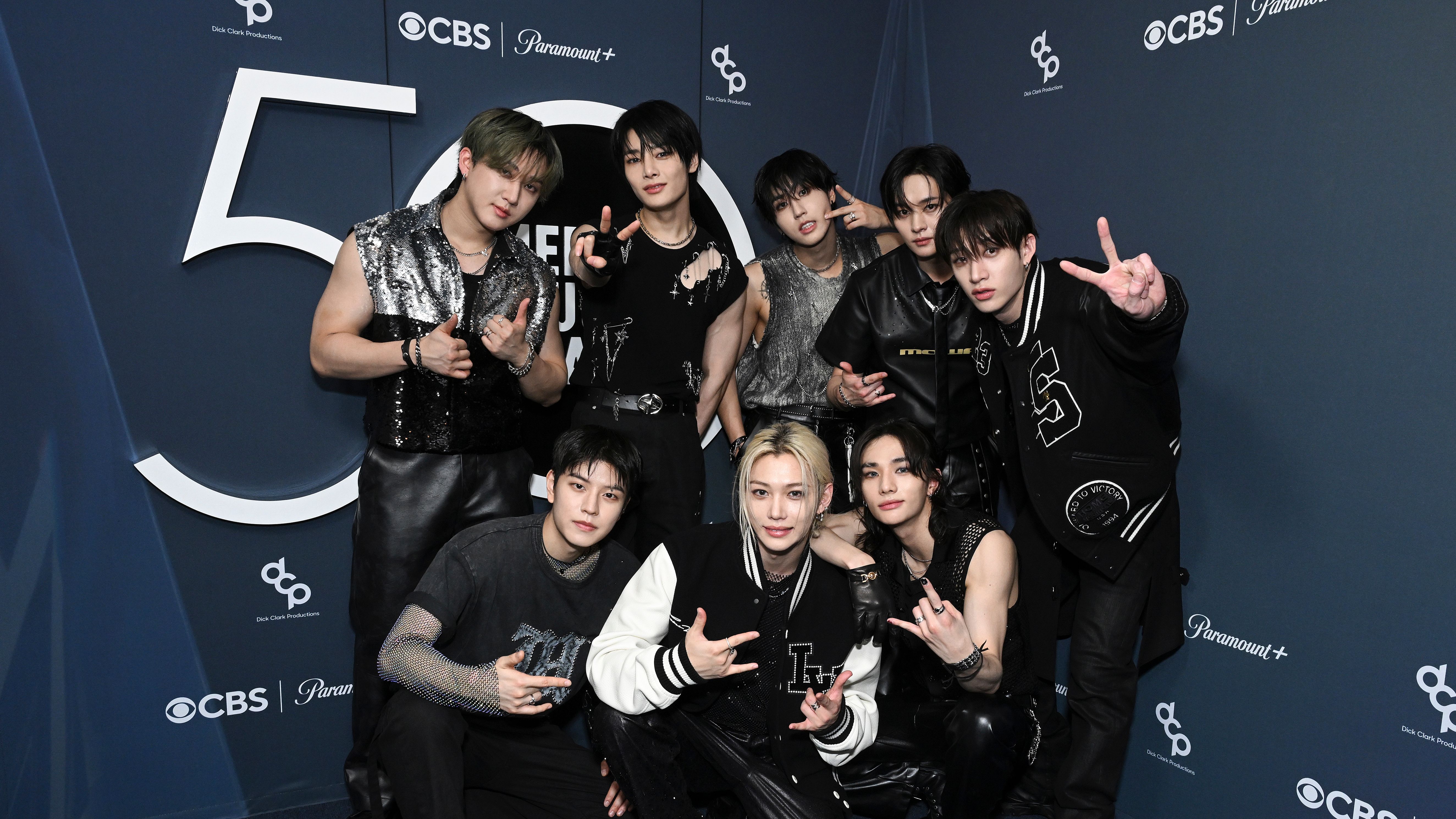
As K-POP rises as a global mainstream culture since the pandemic, fanbases are expanding rapidly around the world, including on American university campuses. This is part of a broader trend of East Asian content gaining global traction, evident in various genres such as comics, films, and music. The American music magazine Rolling Stone declared 2025 the “K-Pop Explosion” year and selected ten moments that defined it. A Rolling Stone reporter noted that idols have broken artistic boundaries, crossed genre lines, ventured into films and dramas, and made bold personal decisions. K-POP mega group Stray Kids set a record by having eight consecutive albums debut at number one on the Billboard 200 chart, starting with “Oddinary” in 2022. This is the first time in the history of the Billboard 200, which has been tracked since 1956. Female artists have also stood out on the global stage. Hwasa reached position 43 on the Billboard Global 200 with her solo activities and became the only female solo artist to achieve a “Perfect All-Kill” in 2025. TWICE made history by becoming the first female K-POP group to perform as headliners at Lollapalooza in Chicago, and they were also the first K-POP group to perform at a Victoria’s Secret fashion show. K-POP fanbases are thriving actively on American university campuses as well. At Chapman University in California, a student-run K-POP club named “Twilight” has formed a community on campus, bringing together dozens of students each semester for K-POP events where they enjoy music and performances. Students cherish collectible photo cards featuring their favorite K-POP artists as a means of personal expression. Dodge College at Chapman University recently hosted masterclasses featuring directors from “K-POP Demon Hunters.” Director Maggie Kang emphasized that “K-POP is very inclusive and is about music and positive energy,” adding that it “has the power to break down language and cultural barriers and connect people from different backgrounds.” This global spread of K-POP reflects a shift in the role of East Asian culture within Western-centric popular culture since the pandemic. A British outlet stated in a podcast that through “La Bou Bou,” “TikTok,” and “K-POP Demon Hunters,” “the kids’ culture has moved to East Asia.” This trend is supported by South Korea’s deliberate policy of exporting popular culture and Asia’s emergence as the world’s largest consumer market.
발행·편집 책임: 국기봉 · KPOP Signal editorialThis article was written with AI from verified source material and passed automated checks before publication. It may contain factual errors. AI disclosure · Request a correction
Comments (0)
No comments yet — be the first to start the conversation.