K-pop Content Controversy Over “Winter Sonata AI Performance” Spreads to Game Copyright Issues
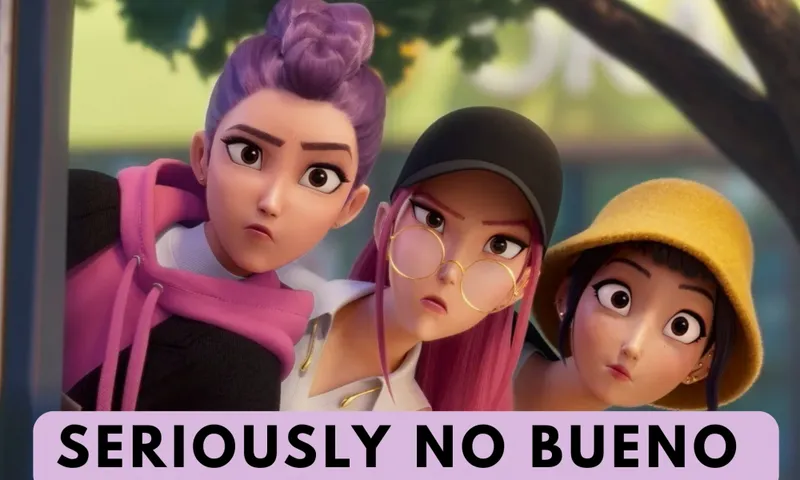
Social debates surrounding K-pop content are extending beyond educational settings into the gaming industry. A primary school in the UK sparked controversy by deciding to ban K-pop-related materials. Meanwhile, domestic game companies are facing criticism over alleged copyright violations involving K-pop idols. Lilliput Church of England Infant School near London, UK, recently prohibited students from singing songs from the Netflix film “K-Pop Demon Hunters.” The school cited the film’s content as being “unconsistent with Christian values and linking demons to adversaries of God.” However, the school clarified that it does not restrict watching the film or singing the songs outside school hours and will not advise parents against it. Some parents reacted negatively to this decision, arguing that the songs convey positive messages. Concerns about the inappropriateness of K-pop content have also emerged. A primary school student raised in a Muslim environment pointed out that “K-Pop Demon Hunters” contains material unsuitable for children, highlighting conflicts with Islamic values. Experts acknowledge K-pop’s global popularity but note that the worldviews of certain groups may directly conflict with specific religious beliefs, emphasizing the need for media literacy education. Copyright issues related to K-pop idols have also become a new focal point. Shortly after NCSOFT’s new game “Aion 2” was released in South Korea and Taiwan on November 20, gamers criticized the in-game character presets as being overly similar to Stray Kids’ Felix and NMIXX’s Sullyoon and Gina. NCSOFT issued a statement saying, “It was unintentional, but we are aware of the feedback and will address it appropriately.” “Aion 2” faced multiple controversies right after its release. The developer encountered server issues and bugs, and it was criticized for ultimately selling in-game growth items that it had promised would not be purchasable. Kim Nam-jun, the development producer for NCSOFT’s “Aion 2,” publicly apologized via a live stream, stating, “We were arrogant and careless, and we will remove that item package from the store after a temporary update.” The developer had previously promised that “Aion 2” would not have a “pay-to-win” structure and would focus on battle passes and in-game customization items. However, since the release date, growth items have been sold in packages alongside other items, leading to criticism that it is no different from NCSOFT’s previous games. The development team also officially apologized for bugs that disrupted game access in certain environments and promised to add a semi-automatic assistance mode for the mobile version.
발행·편집 책임: 국기봉 · KPOP Signal editorialThis article was written with AI from verified source material and passed automated checks before publication. It may contain factual errors. AI disclosure · Request a correction
Comments (0)
No comments yet — be the first to start the conversation.