Indonesia Rises as World’s Largest K-POP Consumer Market... Evolving into an Asian Tour Hub
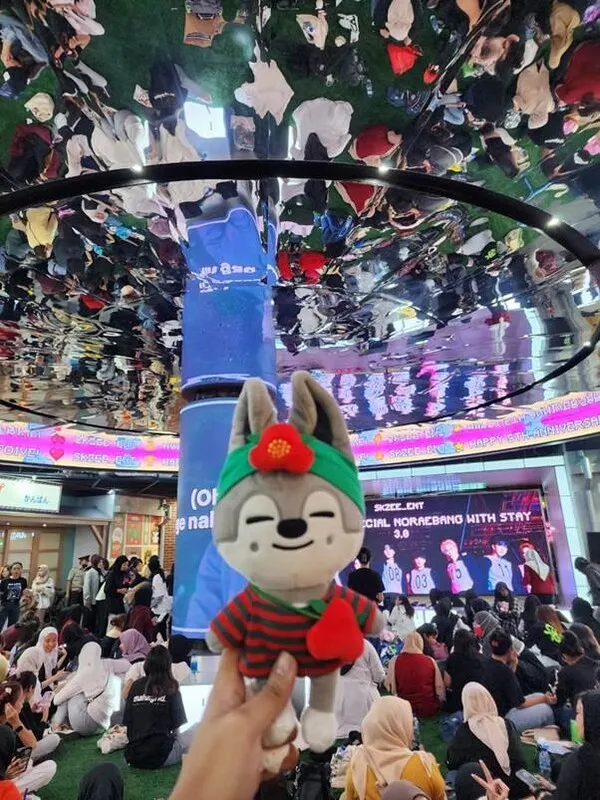
Indonesia is no longer a “potential market” for K-POP but has already established itself as the world’s largest consumer market. According to 2024 data from analytics firm Chartmetric, Indonesia accounted for 18.5% of global K-POP listening volume, ranking first — a figure higher than that of the United States (10.2%) and South Korea (7.1%). Beyond music consumption, the market is expanding to include demand for K-POP-related travel, merchandise, fan meetings, and experiential content, creating a structure where online consumer bases rapidly translate into actual industry demand. Indonesia’s K-POP consumption follows a multi-layered pattern. First, Indonesia’s MZ generation actively streams K-POP through global music platforms such as Spotify, YouTube Music, and TikTok. Their strong mobile-based consumption habits drive them to discover and share new K-POP content on social media and streaming services. “Dance Challenge” and “Clip Remix” content on TikTok further accelerates the spread of K-POP popularity. Concert attendance represents the second stage of consumption, with Indonesian fans viewing concert tickets not merely as seats but as investments in a sense of belonging, experience, and identity. A much wider range of pricing models than in South Korea is available, including VIP, Soundcheck Seat, Hi-touch Pass, and Photo Session Package options, with popular seating often selling out within minutes of ticket release. The third stage is merchandise purchasing, where the market includes albums, photo cards, lightsticks, clothing, accessories, as well as unofficial fan-made goods. Purchasing merchandise is seen as more than just collecting souvenirs; it serves as a way to express fandom affiliation and identity, leading to multiple purchases and repeat buys. The fourth stage involves experiential events, where fans enjoy K-POP through birthday café events, official pop-up stores, fan meetings, and fan café projects. In Indonesia, brand collaboration-based pop-up stores, cafes, and exhibition spaces are increasing, transforming fandom consumption from individual experiences into community-driven activities. The final stage extends to cross-border consumption, with fans traveling abroad to countries such as South Korea, Japan, and Singapore for tours following domestic performances, resulting in “concert tour tourism” that combines travel, accommodation, and transportation services. In terms of performance infrastructure, Indonesia has evolved into Asia’s largest K-POP tour hub. Per analysis by KOTRA’s Jakarta Trade Office, Jakarta and surrounding cities possess a diversified infrastructure ranging from stadiums capable of holding 70,000 to 80,000 people to indoor venues with 5,000 seats. Recent consecutive tours by South Korean artists such as BLACKPINK, NCT, SEVENTEEN, and ENHYPEN have made Indonesia a key stop on the standard K-POP tour route (Seoul → Tokyo → Bangkok → Jakarta). The success of ticket, merchandise, and package tour models indicates an “industrialization of the consumption ecosystem” rather than just simple performances. Indonesia is the world’s largest MZ generation consumer market, with a population of 280 million and an average age of 29, and it also leads Asia in digital economy growth rates. K-POP now functions not merely as culture but as an economic force and a soft power diplomatic asset, playing a central role in Hallyu.
발행·편집 책임: 국기봉 · KPOP Signal editorialThis article was written with AI from verified source material and passed automated checks before publication. It may contain factual errors. AI disclosure · Request a correction
Comments (0)
No comments yet — be the first to start the conversation.