From K-POP Merch Stores to Ramen: The Expansion of Global K-POP Commercialization
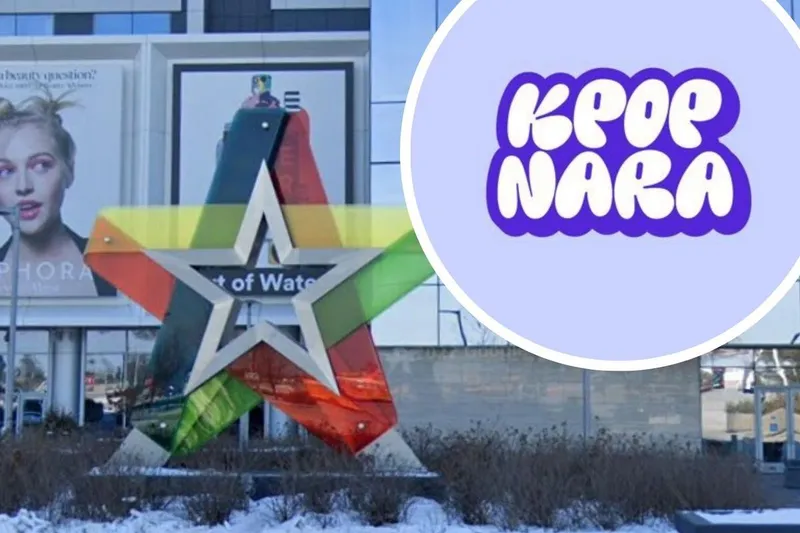
K-POP’s global popularity is expanding beyond mere music into a full-fledged commercial ecosystem. Various forms of commercialization are occurring simultaneously, ranging from the opening of K-POP merchandise stores to the release of collaborative products by food companies. The specialized K-POP merchandise store “Kpop Nara” plans to open a permanent location in Mall of America in Minnesota, United States. Kpop Nara already operates stores across the U.S., including in Seattle, Boston, New York, Dallas, and Chicago. It decided to establish a permanent site after running a pop-up shop at Mall of America. The company sells not only products exclusive to Kpop Nara but also albums, merchandise, and special album releases by K-POP groups. The specific opening date is set for 2026, with the company stating that “even more interesting announcements will be coming soon.” Meanwhile, domestic companies are also joining the K-POP craze. Nongshim plans to operate a “ramen truck” themed around “KPop Demon Hunters” during the APEC summit week in Gyeongju in 2025, offering tastings of Shin Ramen. This strategy aims to comprehensively promote Korean culture to global visitors through marketing that combines K-POP content with K-food. The commercialization strategies of K-POP have caught the attention of international artists as well. It has been noted that pop superstar Taylor Swift’s release of over 30 album versions in her latest album “The Life of a Showgirl” resembles K-POP’s multi-version marketing strategy. Swift released 9 vinyl versions in her 2020 album “folklore,” over 20 editions in “Midnights” in 2022, and again over 30 versions in “The Tortured Poets Department” in 2024. K-POP’s multi-version sales strategy was pioneered by groups like BTS. BTS released four standard versions—“L,” “O,” “V,” and “E”—for their 2017 album “Love Yourself: Her.” They also introduced “Y,” “O,” “U,” and “R” versions for “Love Yourself: Tear” in 2018, as well as “S,” “E,” “L,” and “F” versions for “Love Yourself: Answer” in the same year. Each version included different cover art and photo books, creating a structure where all versions combined formed a complete artistic work. K-POP fans have developed a consumption culture centered on “fan identity,” buying multiple versions to boost their favorite artists’ chart performance, collect member-specific photos, or secure opportunities to attend fan meetings. It is now believed that this K-POP marketing approach is spreading into the global mainstream music industry.
발행·편집 책임: 국기봉 · KPOP Signal editorialThis article was written with AI from verified source material and passed automated checks before publication. It may contain factual errors. AI disclosure · Request a correction
Comments (0)
No comments yet — be the first to start the conversation.