From Ghost Senders to Folk Paintings... How KPop Demon Hunters Revived Korean Traditional Culture
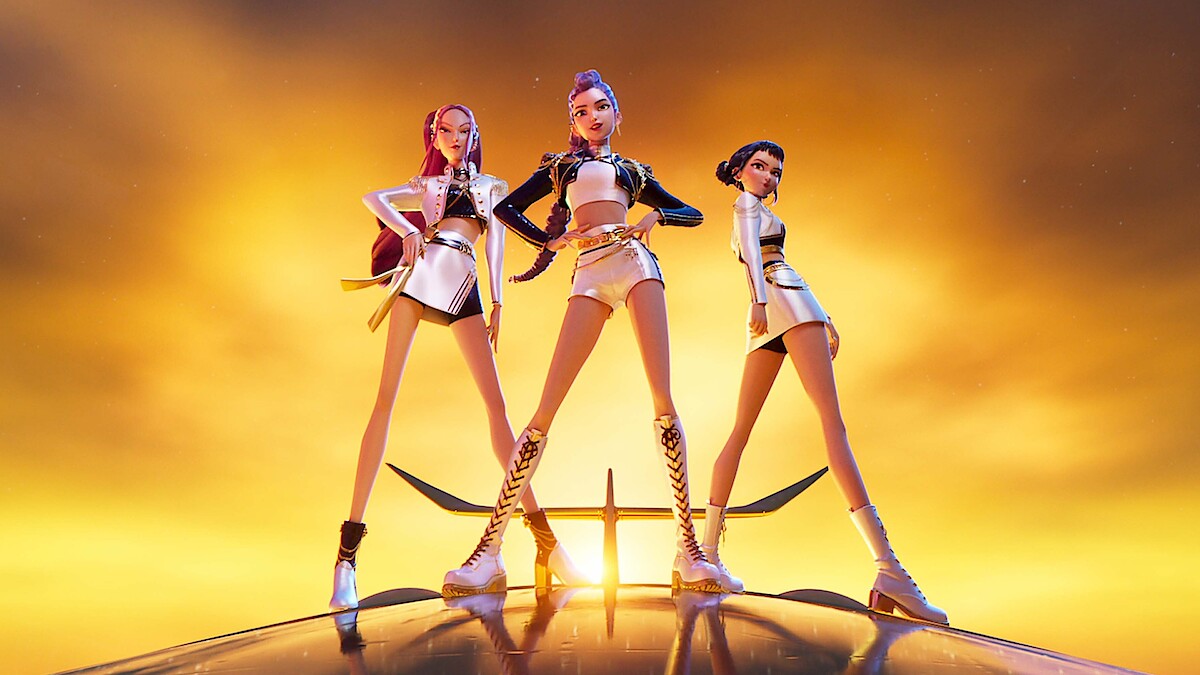
KPop Demon Hunters has evolved beyond dominating global music charts to serving as cultural ambassadors who introduce Korean traditional culture to the world. The royal culture, folk beliefs, and folk paintings from the Joseon Dynasty seamlessly integrated throughout the film are reinterpreted in a modern style, attracting attention from international audiences. The most popular characters in the movie—the tiger “Theppy” and the magpie “Susi”—draw their inspiration from the Joseon-era folk painting “Hojakdo” (also known as Hogijido). In traditional folk paintings, tigers symbolized guardians who repelled evil spirits, while magpies represented messengers who brought good news. Tigers depicted in Joseon-era folk paintings were shown as naive and cute rather than fierce predators, a portrayal intended to satirize the aristocratic class. Director Maggie Kang reinterpreted traditional tiger imagery into modern, adorable characters, endowing them with familiarity for Koreans and a mysterious appeal for people around the world. The sword wielded by the protagonist Rumi when confronting evil spirits is modeled after the “Saingeum,” a weapon used in both royal courts and among ordinary people during the Joseon Dynasty to ward off disasters and drive away ghosts. The Saingeum was considered a sacred weapon that only master craftsmen approved by the royal family could create, regarded as a precious item praying for the safety of the royal household and the well-being of the people. In particular, the blade of the Saingeum is engraved with the 28 constellations, which represent the entire sky as part of Eastern traditional astrology. The performance stages of HUNTR/X are adorned with decorative patterns from Joseon-era palaces. The stage floor features “Dancheong” patterns commonly seen in palaces, while the background displays the “Ilwolobongdo,” a painting traditionally placed behind the throne of Joseon kings. Dancheong involves painting pillars and ceilings with the five primary colors not only for aesthetic purposes but also to ward off evil spirits. Ilwolobongdo consists of the sun, moon, and five mountain peaks, symbolizing harmony between the king, nature, and the universe. The name and concept of the evil boy group “Jeoseung Boys” in the film originate from Korea’s folk belief in “jeoseung saja.” Jeoseung saja are dark entities responsible for guiding souls to the afterlife, but they are reinterpreted in the movie through dazzling costumes and modern stages. In particular, the style that combines black robes and traditional clothing with modern accessories like “gat” hats demonstrates a sophisticated modernization of Korean traditional attire. Director Maggie Kang stated in a Netflix interview, “I didn’t originally intend to make a K-pop movie; I had wanted to create an animation about Korean culture for a long time.” She added, “I thought the design of evil spirits would be particularly impressive.” She explained, “Since demon hunters mostly operate in secret, they needed something to conceal their identities, and that’s when K-pop came to mind.” The director also noted that the original demon hunters were shamanesses. “Guut, which involves using music and dance to drive away monsters, seemed perfectly suited to the film’s concept,” she said. “Since almost all Korean shamanesses are women, it also connected more closely with the idea of female superheroes. In a way, I even think guut could be considered the earliest form of concert.” This is how Korea’s musok belief system met K-pop.
발행·편집 책임: 국기봉 · KPOP Signal editorialThis article was written with AI from verified source material and passed automated checks before publication. It may contain factual errors. AI disclosure · Request a correction
Comments (0)
No comments yet — be the first to start the conversation.