From Album Release Times to Luxury Brand Partnerships: Strategic Moves and Rising Concerns in the K-Pop Industry
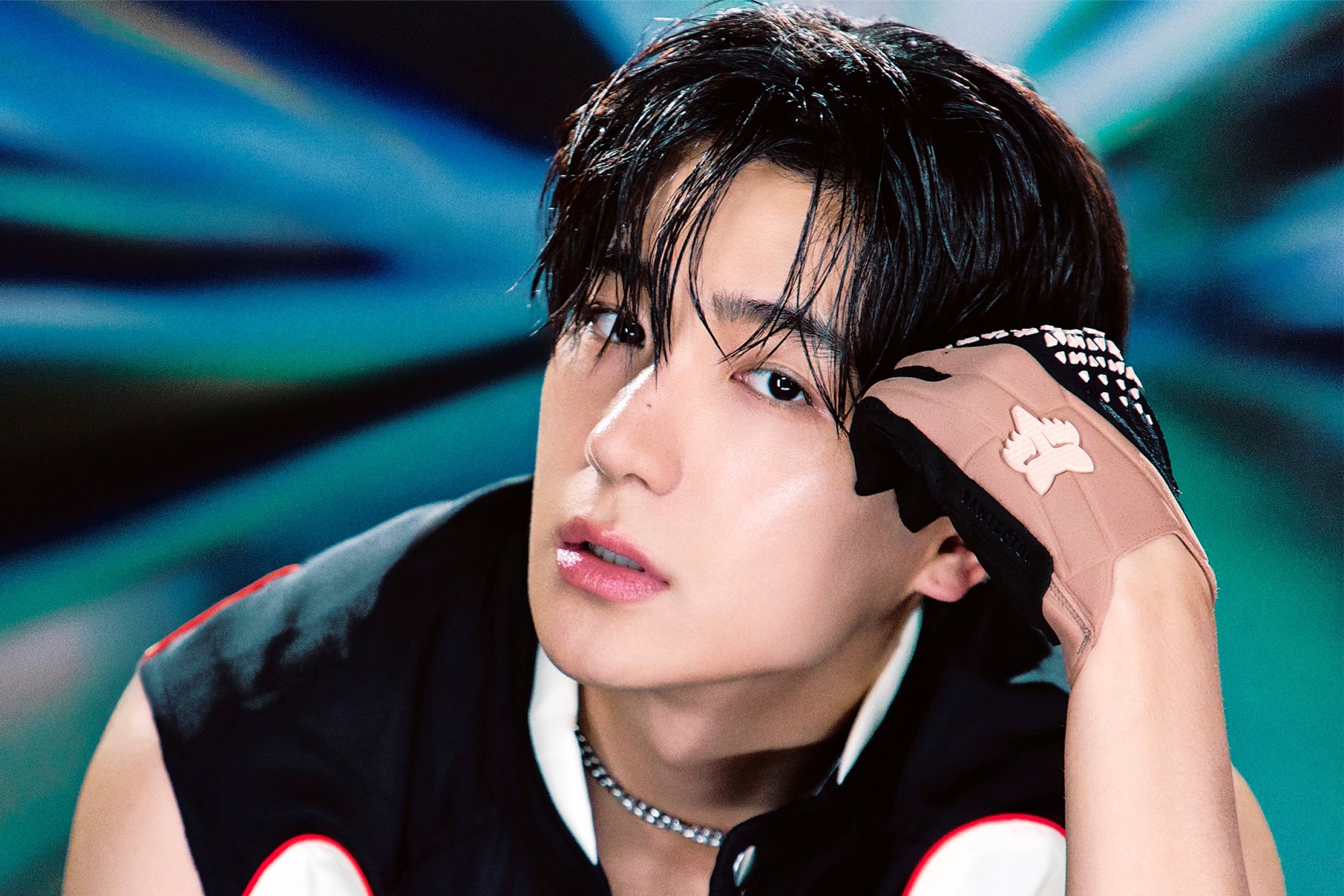
In the K-Pop industry, the timing of album releases is the result of carefully calculated strategies. According to a senior official from a major entertainment company, the release time is determined based on the target market and the charts the artist aims to reach. When targeting the global market, particularly the U.S. Billboard charts, 1 p.m. KST is considered ideal. During the current U.S. summer time period, 1 p.m. on a Friday in Korea corresponds to midnight Eastern Time in the U.S., making it advantageous for the Billboard charts, which compile data from Friday through the following Thursday. For example, TXT released their new song “Love Language” at 1 p.m. on a Friday in May, and BTS’s Jin is set to release his mini-album “Echo” at 1 p.m. on May 16. In contrast, artists focused on domestic streaming platforms and the K-Pop scene tend to choose 6 p.m. as their release time. A representative from JYP Entertainment explained, “There are significantly more users accessing music platforms after 6 p.m., so this time slot has become more common compared to releases during the day.” This trend began in 2018, but in the past, midnight was the most important release time for K-Pop fans. Back then, fans would stay up all night streaming and downloading new songs, playing them repeatedly to secure first place on the charts. This active behavior by fans led to controversies over chart manipulation, prompting major domestic platforms such as Melon and Genie to revise their chart calculation methods in February 2018. Meanwhile, the trend of appointing K-Pop idols as ambassadors for luxury brands has raised new concerns. BLACKPINK’s Jennie, Lisa, and Rosé drew global attention at a New York Metropolitan Museum of Art gala by wearing high-end luxury brands such as Chanel and Louis Vuitton. Jennie even earned the nickname “Chanel Human,” while Lisa captured attention with a fitted bodysuit, custom jacket, and monogrammed tights. Luxury brands have been leveraging K-Pop idols since 2016, when G-Dragon of BIGBANG became the first Asian man to serve as a global Chanel ambassador. Groups like BLACKPINK and NewJeans have secured major advertising contracts, and SM Entertainment’s rookie boy band RIIZE was appointed as a Louis Vuitton House ambassador just 98 days after their Debut in December 2023. While this creates a “win-win” situation for brands by boosting sales and enhancing their premium image, an executive from a large entertainment company expressed concern. He said, “Young artists start to think that their value depends on which brand they represent. Since most K-Pop idols are still teenagers, it’s uncertain whether serving as luxury brand ambassadors is healthy for them.” Experts recommend that idols demonstrate their value through performances rather than marketing, and a global entertainment manager agreed with these concerns about stratification. The system used to train K-Pop stars itself is also attracting global attention. By Russia’s TASS based on an investigation into S2 Entertainment, large agencies sign contracts with around 20 new trainees each year, with the capacity to recruit up to 100. The youngest trainee is 12 years old, and the oldest is 17. It typically takes 5 to 6 years to develop an artist, though some spend up to 10 years, while others debut after just one year. A 17-year-old trainee said, “I get up in the morning, take a shower, and head straight to the practice room.” Vocal and dance classes mainly take place on weekends or after school, and those who want additional practice can train late into the night. The energetic dancing characteristic of K-Pop requires tremendous physical exertion. Jang Jin-young, CEO of vocal training company A-TOP, explained, “K-Pop artists must do both dancing and singing simultaneously, and the background music on stage is not meant to cover the vocals but rather to mask breathing.” The physical strain endured by trainees is so intense that it is compared to figure skating or other artistic sports. Choi Yoo-ri, head of S2 Entertainment’s rookie development department, said, “Those preparing for performances lead similar lives to athletes, and mentors evaluate their trainees’ progress monthly, or even weekly, during the training program.” In reality, only half of the trainees continue in the program for more than 6 months. Russia is one of the countries heavily influenced by Hallyu. According to a 2024 report by South Korea’s Ministry of Culture, Sports and Tourism, Russia has 8.1 million Hallyu fans, ranking it sixth in the world. It also ranked first among European countries in terms of the number of visitors to South Korea in 2024. Hong Tae-hwa commented, “Just over a decade ago, Japan and Southeast Asian countries were considered the paradises for K-Pop, but now it has established itself as a new genre within mainstream American popular music.”
발행·편집 책임: 국기봉 · KPOP Signal editorialThis article was written with AI from verified source material and passed automated checks before publication. It may contain factual errors. AI disclosure · Request a correction
Comments (0)
No comments yet — be the first to start the conversation.