China Lifts 9-Year Informal Ban on K-POP, Eyes Cultural Diplomacy and Consumer Boost
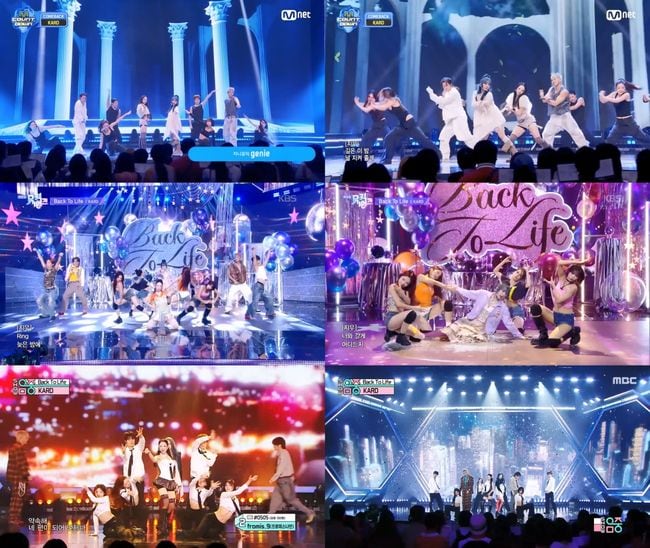
China is easing its nine-year informal ban on K-POP amid ongoing Sino-U.S. trade tensions. The announcement on April 28 that K-POP group EPEX will hold a concert in Fuzhou, China, on May 31 marks the first time a South Korean idol group has performed on Chinese mainland soil since 2016. This move contrasts with China’s restrictions on K-POP that began in 2016 following the deployment of the U.S. THAAD missile defense system in the Korean Peninsula. At that time, China imposed an informal ban on Hallyu culture, asserting that the THAAD system posed a threat to its national security. However, as U.S. President Trump’s administration pursued protectionism and security commitments became increasingly uncertain, China is seeking to improve relations with neighboring countries allied with the United States. An even stronger signal comes from the plan announced by the Korean Entertainment Producers Association to hold Dream Concert in September. The longest-running K-POP event in South Korea, Dream Concert, is set to take place on September 26 at a stadium capable of holding 40,000 people in Hainan Province, and K-POP industry experts consider this a “structural turning point.” China’s relaxation of K-POP restrictions goes beyond simple cultural openness, driven by economic and diplomatic considerations. Oh Ji-u, an analyst at CGS International Securities’ Hong Kong Korea branch, stated, “This policy shift is part of China’s broader strategy to stimulate domestic demand amid persistent consumer weakness.” While consumption contributed nearly 70% to China’s GDP growth in 2018, it has dropped below 30% recently, with inflation rates also approaching zero. In response, the Chinese government has launched policies aimed at boosting discretionary spending in areas such as tourism, hospitality, and local commerce through cultural events like concerts and music festivals. On April 25, China’s Ministry of Culture and Tourism issued guidelines to promote cultural events, including concerts and music festivals. There is also a diplomatic dimension to China’s easing of K-POP restrictions. City analysts suggest that China may seek to restore relations with neighboring countries such as South Korea amid its economic challenges, with cultural diplomacy serving as a key starting point. This could lead to the relaxation of restrictions on Hallyu content and the resumption of revenue streams from K-POP fan bases. Meanwhile, as China reintroduces K-POP, it has imposed temporary restrictions on certain Western content. Analyst Oh explained that China is warming relations with South Korea while still restricting specific Western content, including Hollywood movies. Public opinion among Chinese netizens, however, remains divided. Some criticize, “THAAD hasn’t been removed—it’s even increased—so are we surrendering to South Korea?” while others argue, “We should only consider groups with Chinese members.”
발행·편집 책임: 국기봉 · KPOP Signal editorialThis article was written with AI from verified source material and passed automated checks before publication. It may contain factual errors. AI disclosure · Request a correction
Comments (0)
No comments yet — be the first to start the conversation.