BTS’s Jin and Baek Jong-won’s Liquor Brand ‘IGIN’ Under Investigation for Mislabeling Ingredients; K-Pop Idols Expanding into Liquor Business
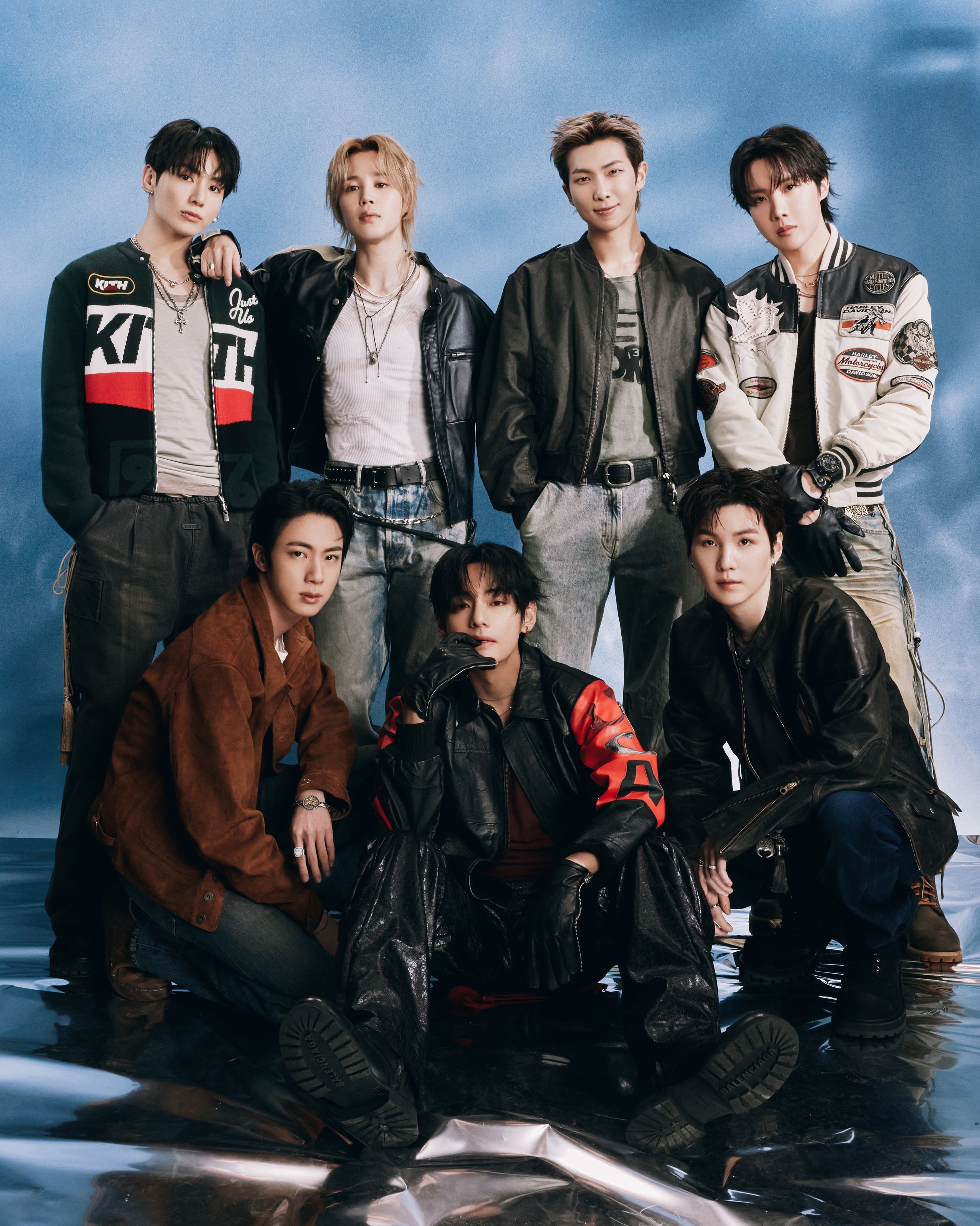
The liquor brand ‘IGIN,’ launched through a collaboration between BTS member Jin and renowned chef Baek Jong-won, is currently under investigation for alleged violations in labeling the origin of its ingredients. A civic group filed an official complaint, arguing that online product descriptions incorrectly labeled imported concentrates as domestically produced. According to South Korea’s Origin Labeling Law, only products in which all major ingredients—excluding water, sugar, and additives—are domestically sourced may be labeled as “Korean-made.” Despite containing Chilean plums and American watermelons, the online sales platform advertised the products as having “all ingredients from Korea.” The Ministry of Agriculture, Food and Rural Affairs and the National Agricultural Products Quality Management Service are conducting an investigation through the Yeosan branch, with violations potentially resulting in fines of up to 100 million won or even imprisonment in severe cases. The brand’s side defended itself by stating, “All products comply with legal requirements and are accurately labeled with correct origin information. Temporary exposure of details from another product occurred accidentally during online marketplace registration, but it was corrected immediately upon discovery.” It is reported that Jin and Baek Jong-won have maintained a friendship since 2017. This controversy has drawn significant industry attention amid a growing trend of K-Pop idols entering the liquor business. Following rapper Jay Park’s launch of a soju brand in 2022, singers such as Im Chang-jung, Kim Min-jong, and Yoon Mi-rae have also entered the soju market. Recently, T-ara’s Hyo-min, JYJ’s Kim Jae-jung, and BIGBANG’s G-Dragon have partnered with breweries or launched their own brands, shifting idols’ roles from merely lending their names to brands to direct investment and management. According to market research firm Embrain, sales of celebrity-branded liquor products at major retailers last year reached 13.8 billion won (approximately $9.84 million), a 222% increase from the previous year. The consumer base is also diversifying beyond young consumers alone. As of 2024, 29.6% of buyers are in their 20s, 25.7% in their 30s, 23.5% aged 50 and above, and 21.3% in their 40s, indicating expansion across all age groups. Positive examples include singer Sung Si-kyung’s makgeolli, which revived a 100-year-old brewery in Dangjin earlier this year, and G-Dragon’s PeaceMinusOne highball, which sold 880,000 cans in just three days, setting a convenience store record. However, initial popularity faded quickly due to an oversupply of similar products, with only the whiskey and RTD cocktail markets continuing to grow. Since the credibility of IGIN and consumer trust rely heavily on the authenticity of Korean traditional liquor and domestically sourced ingredients, the outcome of this investigation is expected to impact not only Jin and Baek Jong-won’s collaboration but also the overall international image of celebrity-branded liquor in South Korea.
발행·편집 책임: 국기봉 · KPOP Signal editorialThis article was written with AI from verified source material and passed automated checks before publication. It may contain factual errors. AI disclosure · Request a correction
Comments (0)
No comments yet — be the first to start the conversation.